Pretoria – The Department of Health has moved to quell fears of the outbreak of the deadly Nipah virus detected in India, saying there was “no immediate risk to South Africa”.
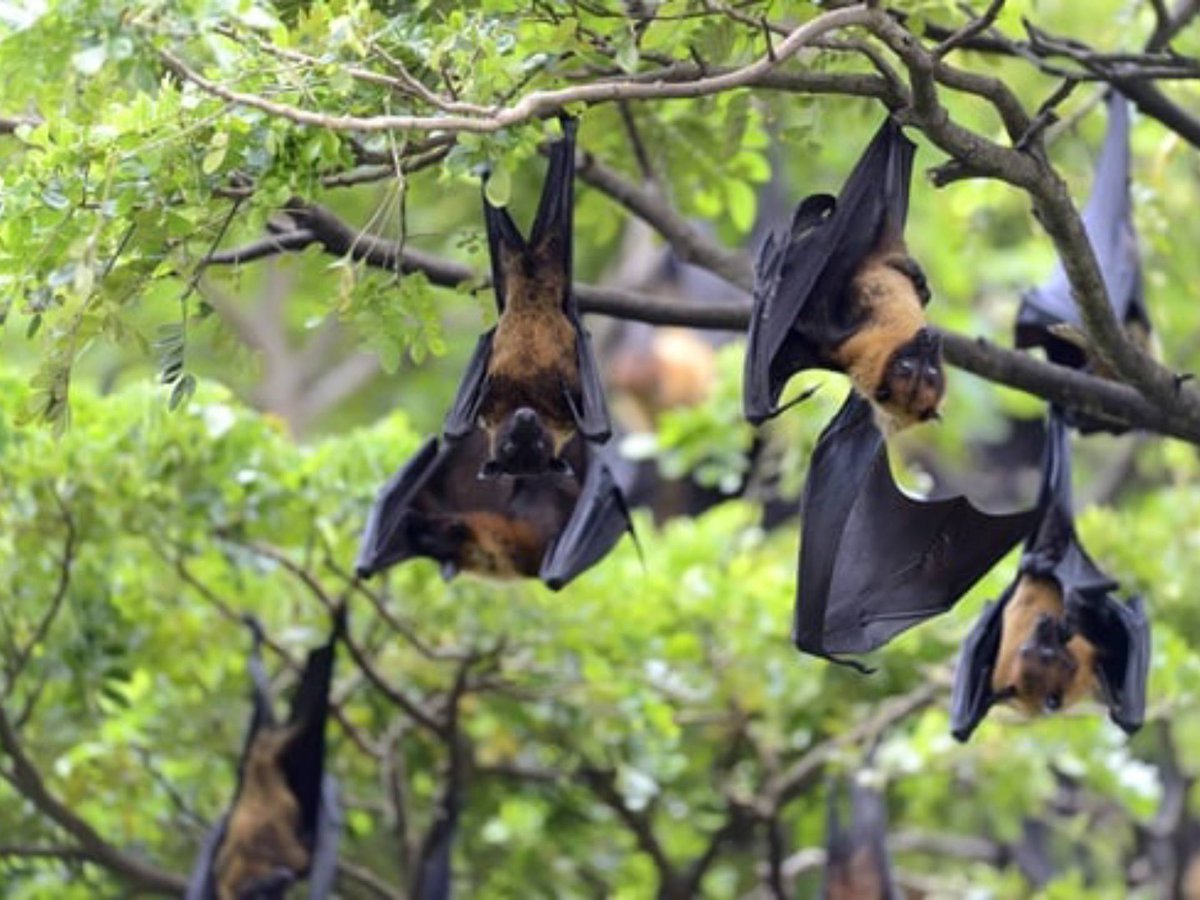
Nipah virus, also known as NiV, is a zoonotic virus, typically transmitted from animals, such as bats, to humans, but can also be transmitted through contaminated food or directly from person to person.
Transmission of this deadly virus to humans can occur through direct contact with infected animals or eating fruits or fruit products contaminated by infected bats.
Responding to queries about the deadly virus after India confirmed two positive cases, the department said: “There is no immediate risk to South Africa, and there is no need for the public to panic”.
In a statement late on Friday, 30 January 2026, the department stated that it was working closely with the National Institute for Communicable Diseases (NICD).
The department said the NICD was closely monitoring the situation.
“Scientists have advised that, at this stage, there is a very low risk outside the affected countries and there is no need for screening at ports of entry,” the statement said.
“The virus is currently not categorised under notifiable medical conditions, but will be categorised as a respiratory disease of unknown origin, which is notifiable.”
The department explained that transmission of the virus to humans can occur from direct contact with infected animals, “like bats, farming animals such as pigs or horses, and by consuming fruits or fruit products, such as raw date palm juice, contaminated by infected fruit bats”.
Some of the symptoms of the Nipah virus include fever, headache, and difficulty breathing or coughing.
“Laboratory testing is available at the NICD, and key resources have been updated to include current outbreak specifics,” the department said.
According to the World Health Organization, there is currently no treatment or vaccine available for this virus; however, several candidate products are under development.
Early intensive supportive care can improve survival.
“This means non-pharmaceutical interventions such as hygiene practices remain one of the most effective prevention methods to reduce the spread of the virus,” stated the department.
“People can reduce the risk of animal-to-human transmission by wearing gloves and other protective clothing while handling sick animals such as pigs or horses, and during slaughtering and culling procedures.”
Meanwhile, the NICD will offer training to the Civil Aviation Authority as part of efforts to assist in communicating the message to airlines and airport staff.
For more information and regular health updates: https://www.nicd.ac.za and www.healt.gov.za
The post Deadly Nipah Virus Outbreak In India, Health Department Says ‘No Immediate Risk To SA’ appeared first on The Bulrushes.
