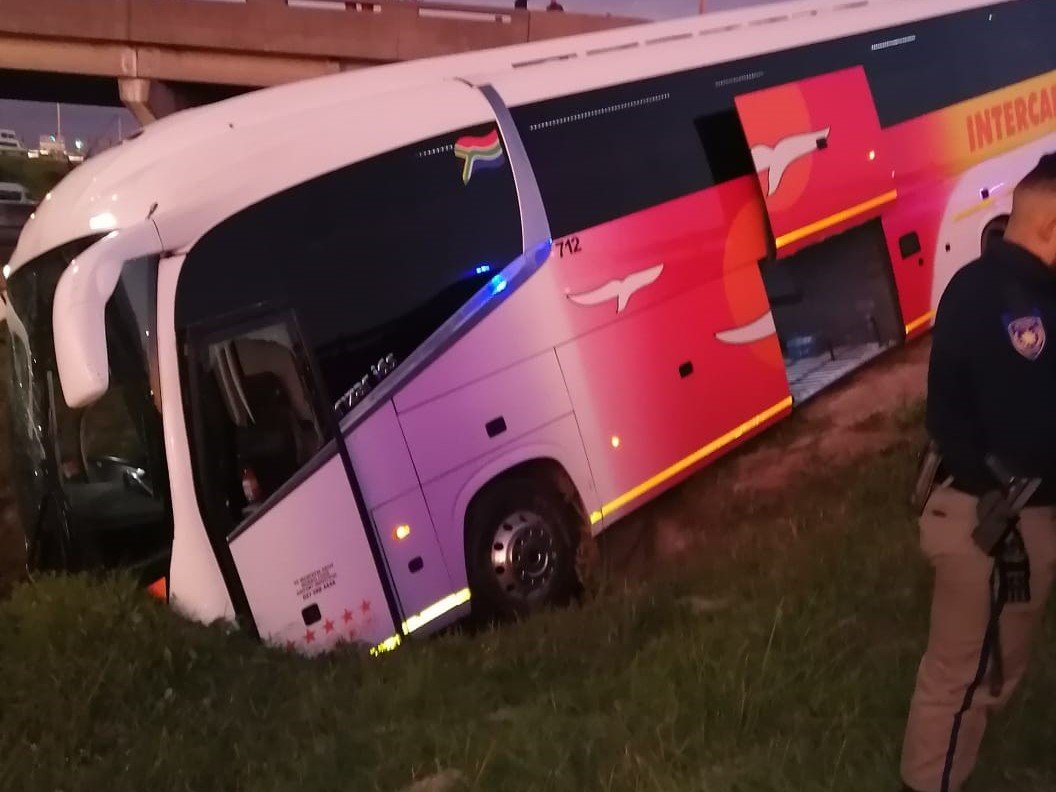
Cape Town – Intercape has questioned President Cyril Ramaphosa’s commitment to tackling organised crime, which he made in his latest State of the Nation Address (SONA).
In his SONA address on Thursday, 12 February 2026, President Ramaphosa described organised crime and criminal networks as the “biggest threat to democracy and economic development”.
He highlighted sectors such as construction, mining, and infrastructure projects where criminal networks have gained a foothold and extorted private companies and the State.
The Presidents also announced plans for strengthened intelligence coordination, specialised intervention teams, as well as military deployment in gang-affected areas in the Western Cape and Gauteng.
Reacting to the SONA, Intercape CEO Johann Ferreira, noted that one sector that was conspicuously absent from President Ramaphosa’s narrative was public transport.
“For more than seven years, we have faced an organised campaign of violence and intimidation in the Eastern Cape,” Ferreira said.
“We have opened 229 criminal cases ranging from intimidation and extortion to attempted murder and murder. Not one arrest. Not one successful prosecution.”
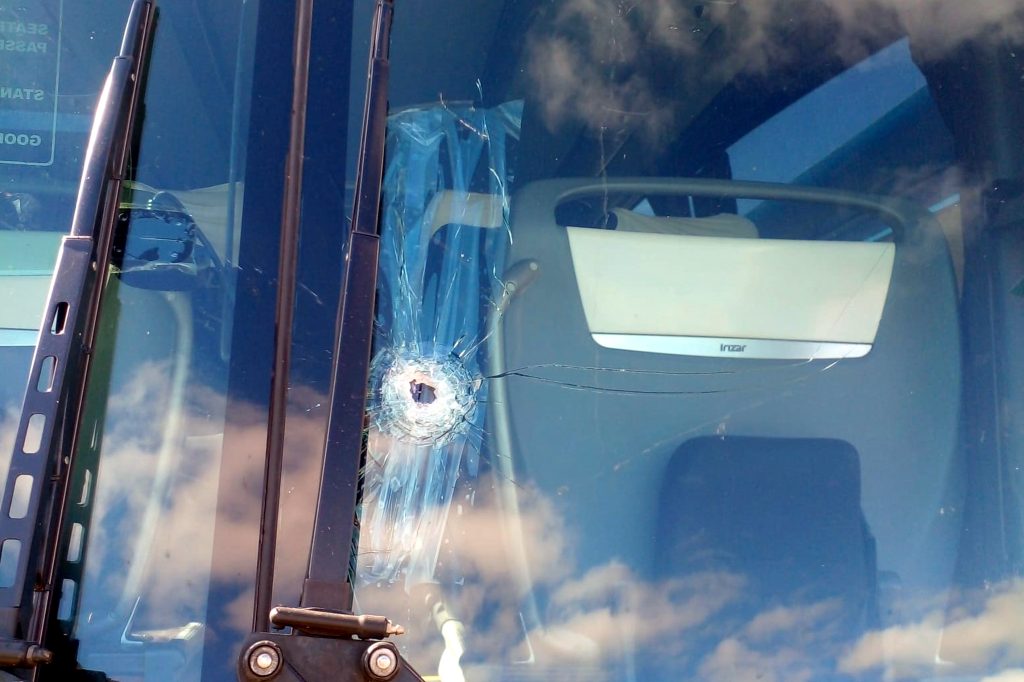
Ferreira insisted President Ramaphosa and his Cabinet were fully aware of the crimes targeting Intercape because “we have written repeatedly to his office and that of his Ministers to plead for assistance, but our pleas are ignored time and again”.
Ferreira added: “Now suddenly he wants to talk about organised crime as the single major threat to this country.
“But nothing is being done about this.
“In fact, the organs of State such as the police have done everything in their power to fight us instead of doing their job, which is to combat crime.”
Ferreira accused President Ramaphosa and the State of being “categorically in support of the criminality” by the minibus taxi industry.
He said taxi operators in the Eastern Cape openly prevent passengers who have bought Intercape tickets from boarding buses “while police stand by and watch and do absolutely nothing”.
There have also been growing incidents of taxi patrollers forcing people out of private vehicles and forcing them to use minibus taxis.
“We are dealing with systematic organised crime where the end goal is to force Intercape and other public transport operators out of the Eastern Cape and other regions so that the minibus taxi industry has a complete monopoly,” Ferreira charged.
The Intercape CEO stated that the latest escalation began in Ngcobo in mid-November 2025, shortly before the peak December holiday period, the busiest travel season of the year.
What started as intimidation by minibus taxi operators quickly spread to Alice, KwaMaqoma (Fort Beaufort), Butterworth, and Idutywa.
Intercape’s stops in Idutywa and Alice remain closed due to taxi operators openly preventing the company from loading or offloading passengers.
“The timing was deliberate,” Ferreira said.
“The campaign began just before Christmas to inflict maximum disruption on commuters.”
Initially characterised by illegal road blockades, threats, and the obstruction of passengers boarding buses, the intimidation was followed by repeated — and baseless — claims that Intercape’s operating permits were invalid.
These claims were tested in court and dismissed, with counsel for the Engcobo Taxi Association later conceding that Intercape’s licences are valid.
Despite these findings, Intercape complained that municipal officials and traffic authorities have continued to parrot the same discredited, invalid permit arguments, openly working in tandem with taxi operators to prevent lawful Intercape operations.
“It has become blatantly evident that certain municipalities and traffic police in the Eastern Cape are acting in concert with organised elements in the taxi industry to force Intercape out of the province,” Ferreira lamented.
In one incident in Ngcobo, Intercape alleged that SA Police Service (SAPS) members fled their own police station when confronted by taxi operators, leaving passengers and company staff exposed.
Late last year, the High Court in Makhanda described a “state of anarchy” in the town of Ngcobo and said it was “unthinkable” that Intercape must repeatedly approach the court to compel police to fulfil their constitutional duties.
This week, on Tuesday, 10 February 2026 – two days before SONA – the High Court in Makhanda made final an earlier court order, compelling the police to:
- maintain visible policing at Intercape’s loading points
- provide escorts where necessary, where there is a legitimate concern over a risk of intimidation or violence
- arrest and charge perpetrators who commit crimes in the presence of police officers
Intercape has now secured 14 court orders against the police, as well as against Ministers and MECs responsible for police and transport, over ongoing failures to act.
“The President says organised crime is the biggest threat to our democracy,” retorted Ferreira soon after the SONA.
“We agree. But organised crime is not limited to mining and construction sites.
“It is operating openly in the public transport sector in the Eastern Cape, in full view of police officers who do nothing.”
Ferreira questioned why, despite parliamentary concerns over zero arrest figures in bus industry cases, the situation remains unchanged.
“We have court orders compelling police to act. We have volumes of documented evidence,’’ he said.
“We have incidents taking place in front of SAPS members. If this is not organised criminal conduct, what is?”
Ferreira warned that towns such as Ngcobo remain in a precarious position, where further inaction could ignite broader violence and public harm.
“The President cannot talk about addressing organised crime, yet continue to ignore the crisis in the public transport sector where minibus taxi operators are a law unto themselves and the SAPS and municipal entities are complicit in allowing this blatant and growing criminality,” he said.
“South Africans who rely on lawful, regulated bus transport deserve the same protection as any other sector of the economy.”
“Questions have to be asked about the hold that the minibus taxi industry has over this country’s political leaders, who refuse to act against this mafia organisation.”
The post Under Siege Intercape Questions President Ramaphosa’s SONA Stance On Organised Crime appeared first on The Bulrushes.