
Bauchi State has drastically reduced the number of out-of-school children, cutting the figure from 1.7 million in 2019 to 216,000 in 2025, about 85 per cent reduction, the State Universal Basic Education Board (SUBEB) has disclosed.
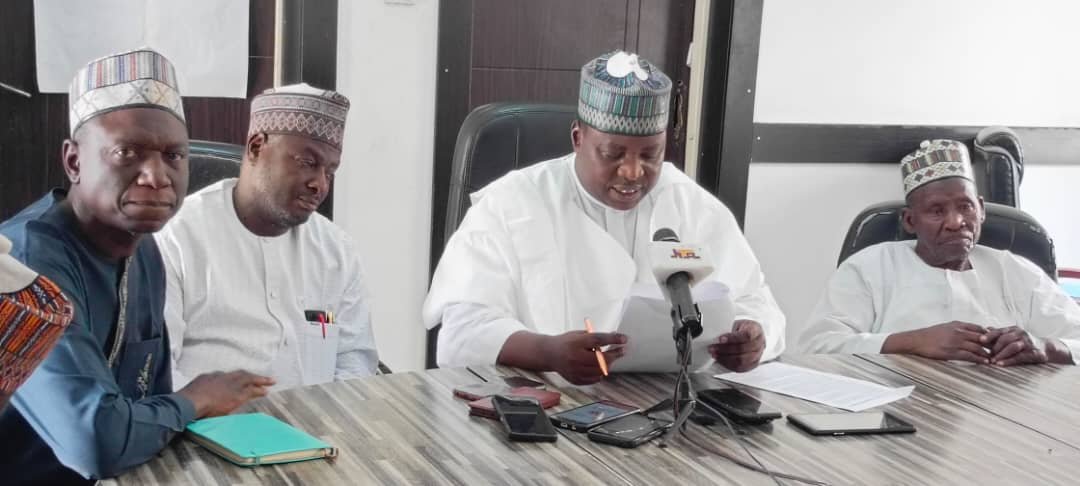
The Permanent Secretary of SUBEB, Abdulhamid Mohammed Jibrin, made the disclosure while briefing journalists during a SUBEB conference held in Bauchi.
Jibrin explained that Bauchi had long struggled with a high number of children out of formal education, a problem driven by years of neglect, weak enforcement of compulsory education laws, poverty and socio-cultural barriers.
“Through deliberate reforms, strong leadership, and community involvement, we have successfully reduced the number of out-of-school children to 216,000,” Jibrin said.
“This milestone restores the right to education for over 1.2 million children across the state.”
The success, he added, was driven by a multi-sectoral, evidence-based approach that included attendance monitoring systems, early warning mechanisms and coordinated engagement with stakeholders at all levels.
According to him, a key element of the strategy was the involvement of traditional and community leaders. Emirate councils, district heads, ward heads, village heads and hamlet heads actively participated in enrolment enforcement, attendance monitoring and community advocacy.
Jibrin noted that this localised approach had been critical in achieving measurable results, citing Toro Local Government Area as an example, where more than 35,000 children were enrolled out of an estimated 50,000 previously out of school.
“The government also focused on equity, particularly promoting girls’ education. Initiatives such as the Adolescent Girls Initiative for Learning and Empowerment (AGILE) and Conditional Cash Transfer (CCT) programmes helped improve enrolment, retention, and transition rates for adolescent girls.
“Infrastructure and system-wide improvements further supported the enrolment drive. Bauchi invested in Mega Schools, Model Schools, and Smart Schools, rehabilitated existing facilities, and integrated Tsangaya and Qur’anic schools into the formal education system, creating safer and more inclusive learning environments,” he said.
Jibrin acknowledged that the influx of 284,000 new learners had strained existing infrastructure and teacher capacity in some areas, highlighting the need for continued investment in schools, teachers and learning resources.
He said that the achievement was a collective effort, crediting the government, parents, guardians, community members, traditional rulers, religious leaders, local authorities, teachers and education workers for their contributions.
Bauchi cuts out-of-school children by 85% in six years