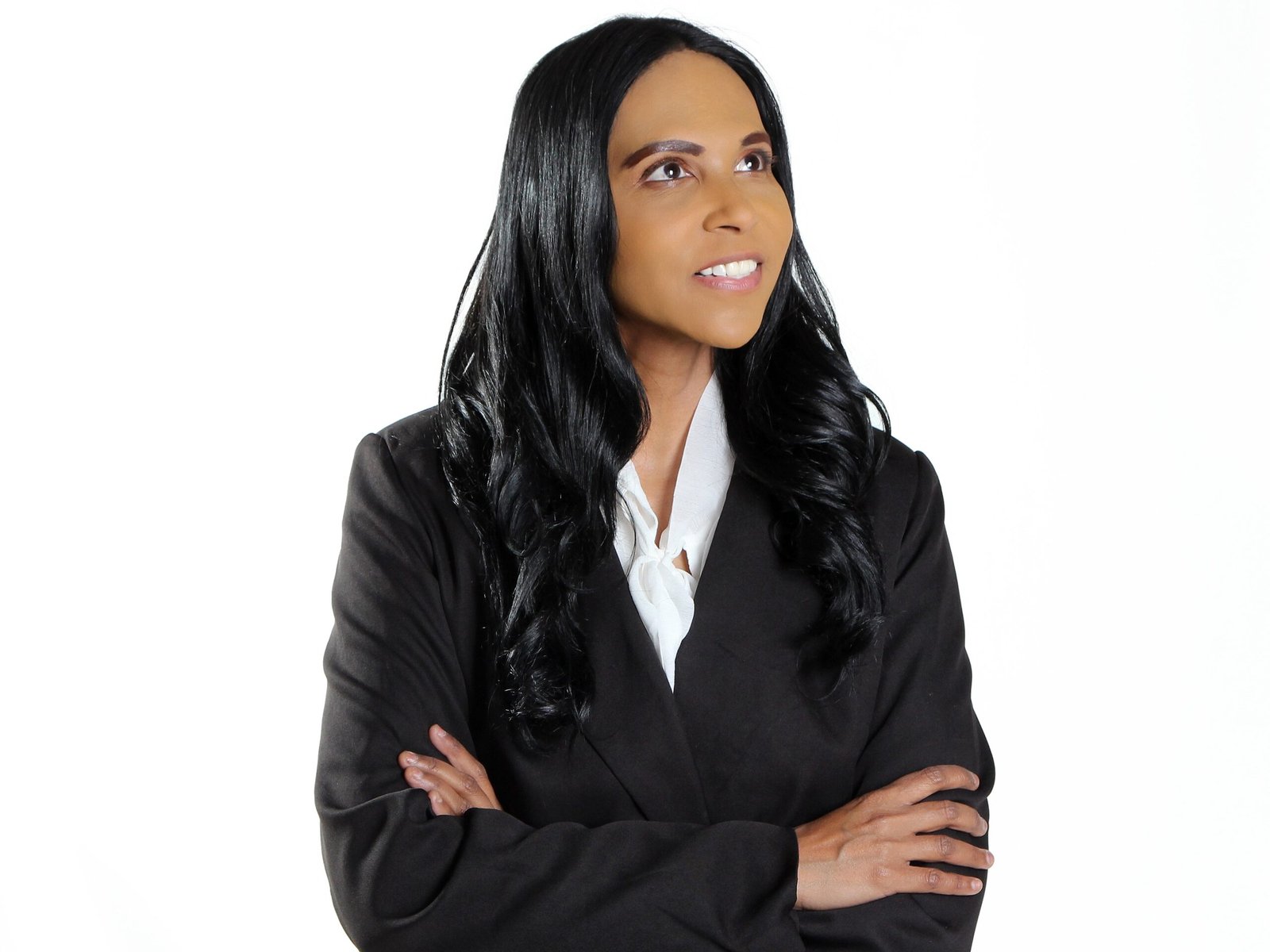
Johannesburg – Following the global observance of International Women’s Day, the conversation in South Africa is shifting from celebrating professional milestones to a necessary confrontation with the systemic abuse that hinders women’s professional survival.
This year’s global International Women’s Day theme, “Give to Gain,” serves as a clarion call to bridge the gap between rights on paper and the lived reality of justice in the boardroom.
Boss Babes of South Africa founder Kovini Moodley, a social justice changemaker and humanitarian, highlights that despite gains in representation, women continue to encounter deep-seated barriers, specifically workplace bullying and harassment, that persist across industries and hierarchies.
“The pursuit of equality is not only about celebrating women’s achievements, but it is also about confronting the realities that many women still face every day in workplaces across the globe,” Moodley said on Monday, 9 March 2026.
“Healthy organisations are built on psychological safety, fairness, and accountability.
“It is sad when forms of bullying or harassment are tolerated, ignored, or inadequately addressed, as it sends a dangerous signal that power can be misused without consequence”.
The call for institutional reform is underscored by alarming new data on the South African workplace.
According to a 2024 study published by Remchannel, nearly 27% of employees who resigned cited relationship conflicts with their line managers, including direct bullying and harassment, as their primary reason for leaving.
This turnover comes at a massive economic cost, with absenteeism linked to workplace-related depression estimated to cost the South African economy approximately R19 billion annually.
Furthermore, recent 2025 research into the South African government and corporate sectors indicates that workplace bullying is often an “occupational and psychological hazard” that affects women at disproportionately high rates, irrespective of their professional seniority.
Confronting “Corporate GBV”
The call for reform comes at a time when Mutual Separation Settlements and non-disclosure agreements, often referred to as “gag orders,” are increasingly scrutinized for their role in shielding toxic environments from public and regulatory oversight.
Moodley, an award-winning Risk Management expert, notes that excellence and seniority offer no protection against these systemic failures. In fact, high performers, particularly those driving ethical responses and compliance, are often the primary targets.
“In my personal experience, Corporate GBV is aimed at breaking down your spirit and leaving you feeling worthless and demeaned,” she said.
“In 2026, it is concerning that the silent pandemic still lurks behind ‘Pretty high-rise buildings.’ They represent a failure of culture, oversight, and ethical leadership”.
The movement to address Corporate GBV seeks to move beyond “paper compliance.”
Moodley references the tragic case of whistleblower Babita Deokaran as a sober reminder of the stakes involved when individuals choose integrity over institutional silence.
Moodley demands that boards and executive leaders:
- Ensure whistleblowers are protected by more than just policy.
- Stop using financial settlements to mask patterns of abuse.
- Move beyond minimum legal requirements to actively safeguard human dignity.
“True progress will not be measured only by how many women reach leadership positions,” Moodley stated.
“but by whether every woman, at every level, feels safe, valued, and empowered to speak openly and lead authentically”.
The post Standing For Dignity, Integrity, And Safe Workplaces appeared first on The Bulrushes.
