Johannesnurg – When you think about radiology, you probably think of an X-ray, MRI, or a CT scan to help radiologists and doctors see what is happening inside the body.
This is the ‘medical detective’ part of radiology.
But it has become so much more than that… Interventional Radiology can offer patients an effective alternative to open surgery, with a much shorter recovery time.
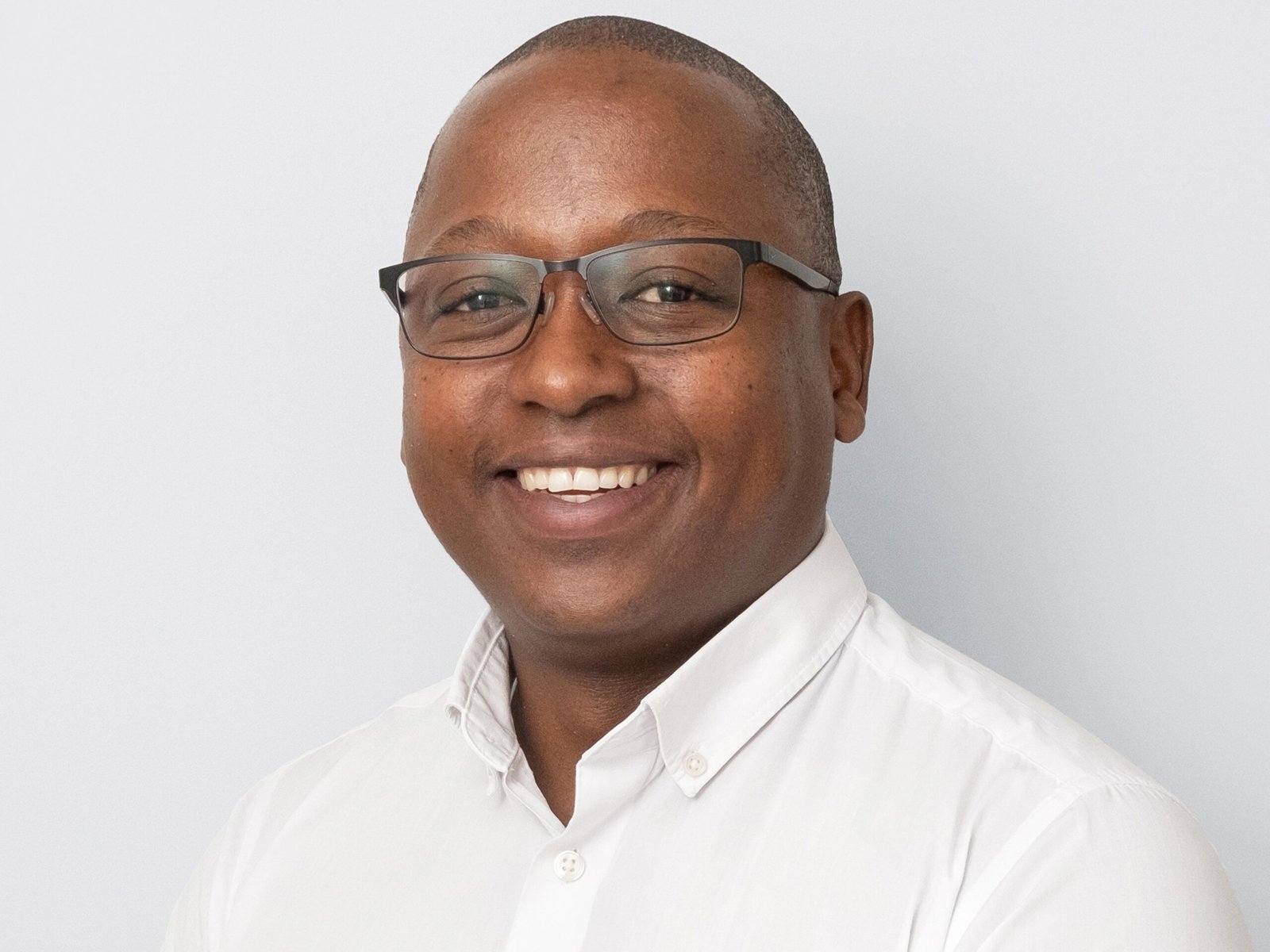
Dr. Siviwe Mpateni, an Interventional Radiologist (IR) at SCP Radiology, provides insights and answers questions about Interventional Radiology.
Why has it become such an important part of modern healthcare, and how are these highly targeted procedures helping to improve outcomes for patients across a wide range of conditions?
Can you explain IR in simple terms?
In a nutshell, it bridges the gap between diagnosis and treatment.
Radiologists use imaging technologies, not only to see inside the body but also to treat disease with extraordinary precision.
What is even more remarkable is that it’s usually through tiny incisions, often no larger than a pinhole.
IR guides miniature instruments through blood vessels or tissues to stop bleeding, open blocked arteries, treat tumours, relieve pain, or for a biopsy.
For patients, this means shorter hospital stays, less pain, and a quicker return to normal life.
The impact of these procedures can be extraordinary.
You say the impact can be extraordinary – can you give us an example?
One particularly memorable case was a young man who suffered an acute stroke and had lost his ability to speak.
Imaging showed a major vessel blockage in his brain, our team performed an urgent thrombectomy (removing blood clots from arteries or veins), successfully restoring blood flow.
Seeing him and so many others recover, together with the positive impact of what we do daily, reinforces my passion for the field.
It is obviously a passion of yours. Can you explain what it is that draws you to IR?
It is the problem-solving aspect, the innovative approach to patient care, and the impact we can have on patients who often have very few options left.
It’s a truly special field.
Many patients referred to us have exhausted conventional therapies, particularly for pain management.
A number of these are oncology patients, who may have limited time left.
Using targeted, image-guided pain blocks, we can relieve their suffering in a precise and minimally invasive manner.
This is the part of IR that I am truly passionate about. Knowing that, without these options, patients could spend their final days in severe pain, drives my commitment to this field.
It’s the ability to preserve patient’s dignity and relieve pain at their most vulnerable moment.
With our interventions, they can spend that time with their loved ones – awake and alert, rather than heavily sedated on pain medication.
What IR advancements have there been in the last 10 or 15 years?
IR has progressed rapidly since the 1950s when Charles Dotter pioneered the idea of using imaging.
His first major success was opening a blocked leg artery in a patient facing amputation. He saved her limb and launched a new field of medicine.
Since then, there have been remarkable advancements.
We have smaller and more versatile devices, while the number of conditions we can treat has expanded significantly.
In collaboration with oncologists, surgeons, and other clinical specialists, IR has become invaluable in the patient journey.
Are there any specific areas of medicine that IR has been particularly successful in or made a major impact on?
There are several areas, most notably in oncology, where IR has developed a powerful and expanding role.
Interventional radiologists are now integral partners in the management of solid organ tumours, offering image-guided therapies such as ablation, embolisation, and targeted drug delivery.
Beyond tumour control, IR plays a crucial role in palliative care – managing cancer-related pain and complications, often significantly improving quality of life for patients who may have previously had limited or no treatment options.
These advances reflect how IR has evolved into a central therapeutic specialty, working collaboratively within multidisciplinary teams to improve both progression-free survival and quality of life.
When you think of the trauma of surgery, being under anaesthetic, and the recovery, IR is quite revolutionary
It certainly is but, it is important to remember that IR is not a substitute for surgery.
Rather, it complements surgical care and offers alternative or adjunctive options for patients who may benefit from less invasive approaches.
And, because IR spans the entire body, from head to toe, our scope is broad.
This can be confusing for patients or referrers, unlike specialties confined to a single organ system.
But it’s what makes the work exciting. No two days are ever the same, and there’s always a new challenge to tackle.
“Radiology is advancing in leaps and bounds,” says Dr. Mpateni.
“IR is a fine-tune medicine that has an enormous place in healthcare, where people are being more conservative about having major surgery.”
Dr. Mpateni will soon take up an Interventional Radiology Fellowship at the University of Toronto, where he will gain further experience in complex procedures, particularly in interventional oncology and pain management.
“Training alongside global leaders is an invaluable opportunity,” he says.
“My goal is to bring that knowledge and expertise back to South Africa so that we can continue expanding access to advanced, minimally invasive treatments that improve outcomes and quality of life for our patients.”
As IR continues to grow, specialists like Dr. Mpateni are helping ensure that South African patients have access to some of the most advanced, targeted, and patient-centred treatments available in modern medicine.
The post Beyond Diagnosis: The Treatment Power Of Modern Radiology appeared first on The Bulrushes.