Johannesburg – Forestry, Fisheries, and the Environment Deputy Minister Narend Singh has urged South Africa’s business community to play a greater role in safeguarding the country’s rich biodiversity, warning that environmental decline poses a direct threat to economic stability.
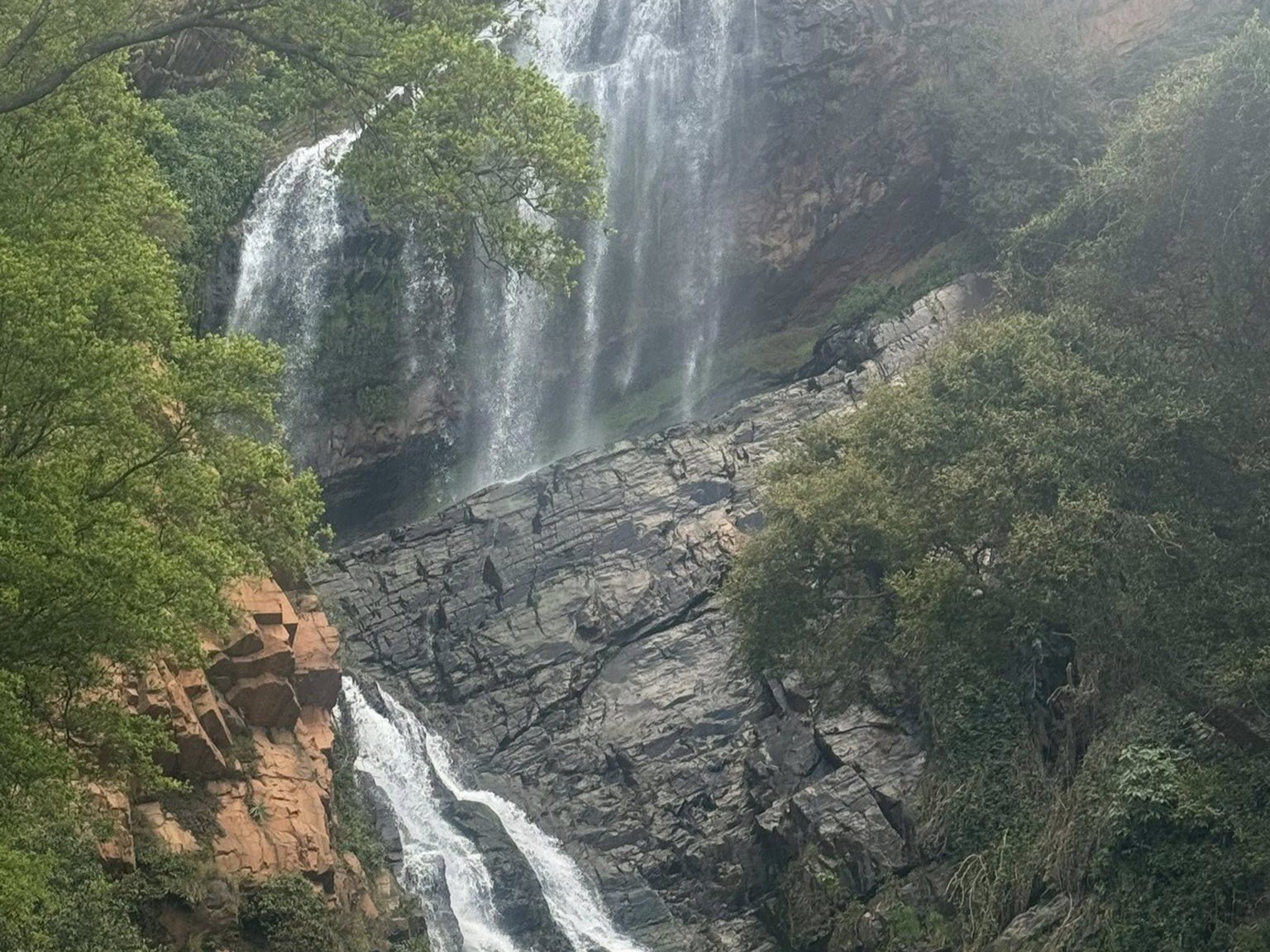
Speaking at the Walter Sisulu National Botanical Garden in Roodepoort in the evening on Thursday, 16 April 2026, Deputy Minister Singh delivered a keynote address titled “Corporate Experience in Nature” to an audience of CEOs, industry leaders, SANBI board members, and international guests.
Pressures on biodiversity are intensifying: habitat loss from agriculture, settlements, mining, and infrastructure development, invasive alien species, pollution, overexploitation, and climate change continue to drive ecosystem degradation and species decline.
Freshwater systems — rivers, wetlands, and estuaries — are among the most threatened. Nearly one-third of our terrestrial ecosystems are classified as threatened.
The latest National Biodiversity Assessment (NBA), led by the South African National Biodiversity Institute (SANBI), shows that nearly one-third of terrestrial ecosystems are threatened, while rivers, wetlands, and estuaries are among the most endangered.
In that regard, the deputy minister reminded delegates that nature underpins economic activity, providing clean water, fertile soils, pollination, and climate regulation.
“When ecosystems degrade, businesses face disrupted supply chains, reduced production capacity, threats to food security, and risks to long-term profitability,” he cautioned.
South Africa, one of the most biodiverse nations on Earth, is facing mounting pressures on its ecosystems.
Deputy Minister Singh highlighted the importance of Strategic Water Source Areas, which cover just 10% of the country’s land but supply more than half of its water.
These areas, he said, were under severe pressure from pollution, invasive species, and altered flows.
“Protecting this ecological infrastructure is vital for water security and economic resilience,” the deputy minister stressed.
Despite the challenges, he pointed to successes in species protection through stewardship programmes and protected areas, proving that conservation efforts can deliver results when sustained and well-supported.
Deputy Minister Singh called for Public–Private Partnerships (PPPs) to drive investment, create jobs, and advance shared environmental goals.
“Sound environmental governance requires modernising our regulatory frameworks to make them more transparent, efficient, and aligned with the objectives of people, planet, and prosperity,” the deputy minister said.
He also linked South Africa’s efforts to global commitments under the Kunming-Montreal Global Biodiversity Framework, which aims to halt and reverse biodiversity loss by 2030.
Deputy Minister Singh noted that mobilising substantial private-sector resources will be critical to achieving these targets.
He invited businesses to partner with the government in expanding and enhancing South Africa’s national botanical and zoological gardens, improving visitor experiences, advancing research, and contributing directly to biodiversity conservation.
“By forging innovative partnerships across government, business, and civil society, we can overcome barriers and unlock the potential of sustainable investment in South Africa,” Deputy Minister Singh said.
South Africa will mark the International Day for Biological Diversity on 22 May under the theme “Acting locally for global impact.”
The deputy minister encouraged organisations to take part in the national celebrations, underscoring the need for collective action to secure a resilient environment for future generations.
The post Deputy Minister Singh Calls On Business To Partner In Protecting SA’s Biodiversity appeared first on The Bulrushes.