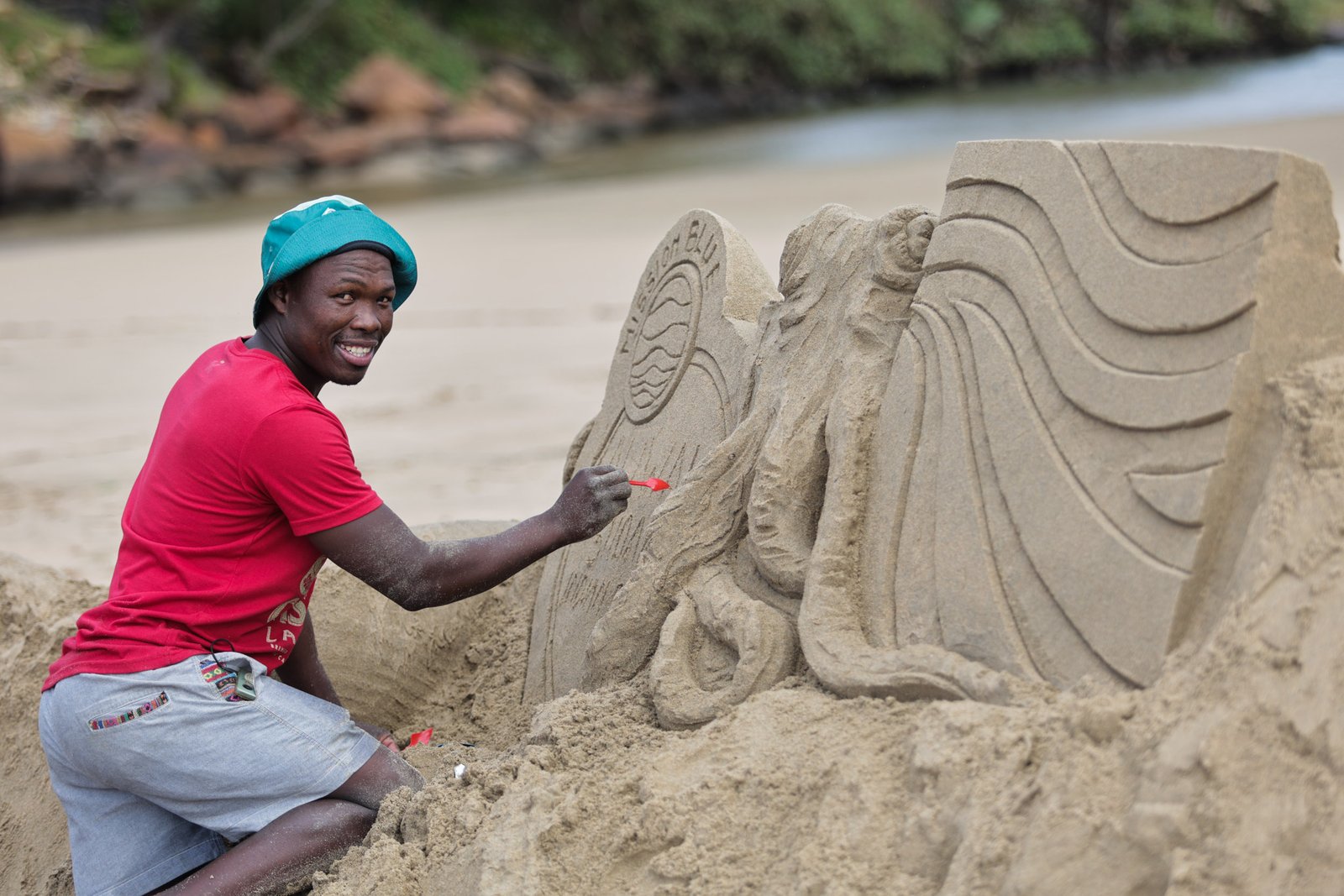
The tourism sector is a clear strength in our efforts to grow the economy and create jobs. In 2025, we recorded a record 10.5-million visitors, more than before Covid.
The sector contributes almost 9% of GDP and almost 1-million direct jobs, and multiples of that down the value chain.
In the face of sinking economic growth forecasts across the world, the sector can lean against the trend.
Last week at a BLSA event in Cape Town, tourism minister Patricia de Lille said a further 2-million have arrived in January and February, and her department has a target of 11-million visitors this year.
The tourism department has a comprehensive set of initiatives to achieve that target, from enhanced visa application processes to better safety and security for visitors.
The department has a target of adding another 1-million jobs in the sector by 2030.
Tourism is a particularly important job creator given its relatively high youth absorption rate, high proportion of women, and provision of high-quality jobs in rural areas.
It also enables many small businesses, including black-owned ones, as well as substantial investments such as that by international hotel groups like Club Med.
It can be a highly sustainable industry that does not rely on natural resource extraction. It can fund conservation on a large scale.
Interestingly, volumes were resilient despite some powerful voices that detracted from South Africa’s offering.
Our tourist drawcards, from our game reserves to township tours to our beaches, remained attractive.
We are also strongly competitive in conferences and events, with South Africa securing 53 out of 90 bids to host business and major events.
The Middle East situation presents an opportunity we must move aggressively to capture.
Dubai and Qatar have built themselves as tourism, conference, and business destinations, but the Iran war has disrupted that.
Expatriate workers are being evacuated, conferences are being cancelled, and tourists are looking for alternatives.
We share their time zone.
We have comparable infrastructure in Cape Town and Johannesburg.
The global conference and events industry needs reliable destinations unaffected by air travel disruptions and security concerns.
Business tourism is particularly high-value – these visitors spend more, stay longer, and often return for leisure.
But this window won’t stay open indefinitely.
Other destinations are positioning themselves aggressively.
We need targeted marketing to conference organisers now, expedited visa processing for displaced workers, and direct engagement with multinationals relocating staff.
Our success in securing business events shows we can compete. We should prioritise capturing this displaced demand while it’s available.
To seize this opportunity, however, we must address real constraints. Airport capacity constraints, particularly at OR Tambo, create bottlenecks during peak periods.
While visa processing has improved, it remains slower and more cumbersome than competitor destinations.
Crime perceptions continue to deter some potential visitors, even when they do not reflect reality.
Skills gaps in hospitality mean service quality can be inconsistent.
Infrastructure in some high-potential areas remains inadequate – spectacular destinations that lack the roads, accommodation, or facilities to absorb visitors at scale.
These aren’t huge obstacles, but they require sustained focus. The public-private partnership model is how we address these constraints while capturing new opportunities.
The Cabinet is in the process of approving the Tourism Growth Partnership Plan, a public-private sector initiative, with a focus on developing new tourism infrastructure and products.
The private sector has invested R50m in supporting regulatory reform, including a dedicated project manager to accelerate changes in government processes.
Public-private collaboration is also clear in safety and security, with apps to help keep high-traffic sites like Table Mountain safe and support services for anyone who unfortunately falls victim to crime.
What we’ve achieved on visa reform and safety partnerships shows this model works.
We need to replicate it across infrastructure development, skills training, and destination marketing.
The growth strategy includes making visas easier and targeting emerging markets like India and Mexico, while supporting tourists from traditional markets like Europe to explore further afield.
Efforts are being made to promote less-visited places like Clarens in the Free State and Cape Agulhas to reinforce that South Africa offers more than safaris and Table Mountain.
Of course, what matters is the economic value that visitors create.
The focus must be on quality and yield, not the number of visitors alone.
The minister described a strategic shift to seeing tourism as a catalytic economic incubator that supports wider economic activity.
Tourism can finance infrastructure that has an impact on many different economic sectors, such as transport and communications infrastructure.
An explicit effort to ensure there are wide spillover effects from tourism would ensure greater economic resilience and job creation.
I congratulate the minister on the success of her efforts, as well as many others across government who have supported creating an attractive opportunity for international visitors.
BLSA has been an enthusiastic advocate for the sector, and the many areas where business and government are working together show how we can accelerate development.
Tourism is one of the economic opportunities we have within our power to grasp. It is good to see the progress being made.
+++
The rule of law is important for tourism, but also it is essential for business.
That is why we work hard to support restoring the criminal justice system and ensuring the guilty are held accountable for their crimes.
So, I was encouraged by Saturday’s news that suspended Ekurhuleni Metropolitan Police Department deputy chief Julius Mkhwanazi had been arrested.
That followed evidence that emerged at the Madlanga Commission of a rogue team in his department involved in hijackings, kidnappings, extortion, theft, and corruption.
His arrest comes after 12 police officers were arrested last month over allegations of corruption in the awarding of a health contract to a company tied to Vusimusi “Cat” Matlala, again after evidence emerged during the Commission.
What’s impressive is that the National Prosecuting Authority is acting straight away – not waiting for the Commission to conclude its work before moving.
This is the kind of quick and decisive action that we need to see. Now it must be followed by effective prosecutions.
*This column was first published in the Business Leadership South Africa (BLSA) weekly newsletter.
*The author, Busisiwe “Busi” Mavuso, is the CEO of BLSA. The views Busi Mavuso expresses in this column are not necessarily those of The Bulrushes
The post Tourism Offers An Opportunity We Can Control Amid Global Uncertainty appeared first on The Bulrushes.