- In today’s CEO Daily: The global food crisis isn’t just about food.
- The big leadership story: Consumers are shouldering the entire cost of tariffs now.
- The markets: Mostly down as an immediate U.S.-Iran peace plan looks unlikely.
- Plus: All the news and watercooler chat from Fortune.
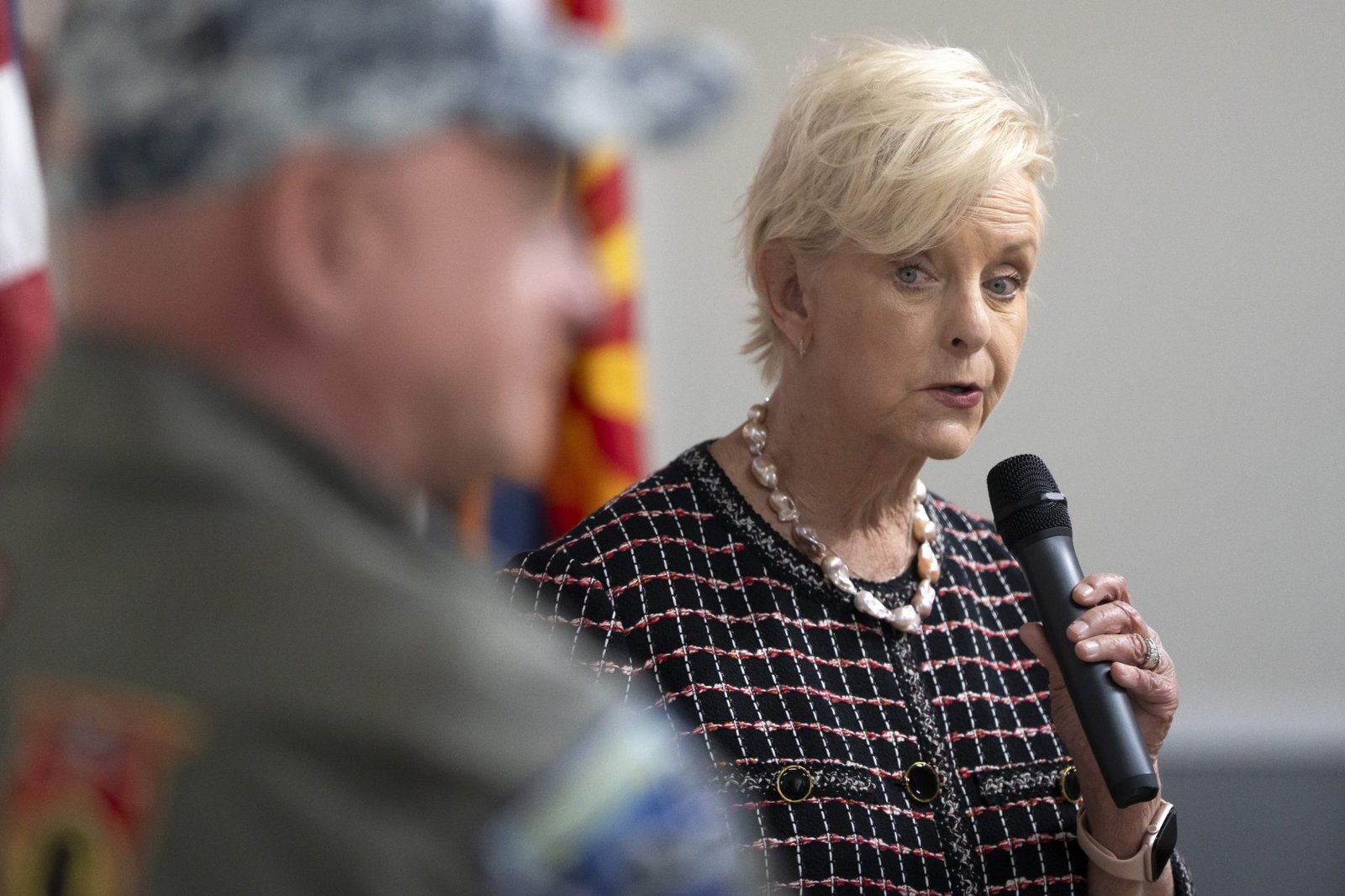
Good morning. The global food crisis is impacting business across the board—from fertilizer producer Mosaic announcing heavy production cuts yesterday to rising food prices. But the greater toll is a human one, with 363 million people at risk of acute hunger this year, according to the UN World Food Programme (WFP), up from 266 million last year, which itself was double the number from a decade ago. WFP Executive Director Cindy McCain came to the role three years ago, knowing she’d have to streamline the organization amid budget cuts. She went on to face a series of food crises spawned by climate change and geopolitical conflicts as President Trump and others slashed funding. Then in October she had a mild stroke, prompting her to announce she’d be stepping down later this month. But the widow of Sen. John McCain knows a thing or two about leading through adversity. She shared a few lessons with me this week:
On food security: “You can either feed them now or fight them later. People are migrating because of food, which means they’re not going to be there to work. The impacts that food-related systems have to the struggling world are exponential, from keeping a child in school to changing communities and livelihoods. WFP also helps the American farmer. We buy a large portion of our food from the U.S. farmer. I try to explain what I call WPF 101 to a lot of our private-sector guys to make sure they understand the impact; that this isn’t just that we’re great humanitarians. The impact goes beyond food.”
On the United Nations: “When I came to WFP, it was very clear to me that we would have to slim down because the money was not going to be the same. We had grown too fat. We’re too big. We need to streamline. I worry about the American taxpayer all the time. Taking food from the hungry to give to the starving because we don’t have enough money: those things weigh on me a great deal.”
On the private sector: “It wasn’t just the U.S. that cut funding. It was the EU. It was across the board in Asia. It was Central and South America. Nobody had that kind of money. And all this was happening as we began to see more conflict and climate change. We can no longer rely on government for this, and the needs are only growing. We need the private sector to not only understand why we do this, not just because people are starving, although that’s the main focus, but it’s also about what’s going to affect you, your supply chain, your work, your people.
On leadership: “When John was about to leave us, he told me that ‘the easy decisions are easy to make, the right decisions are hard to make.’ I think of that every time I’m faced with something that’s hard.”
Contact CEO Daily via Diane Brady at diane.brady@fortune.com
This story was originally featured on Fortune.com