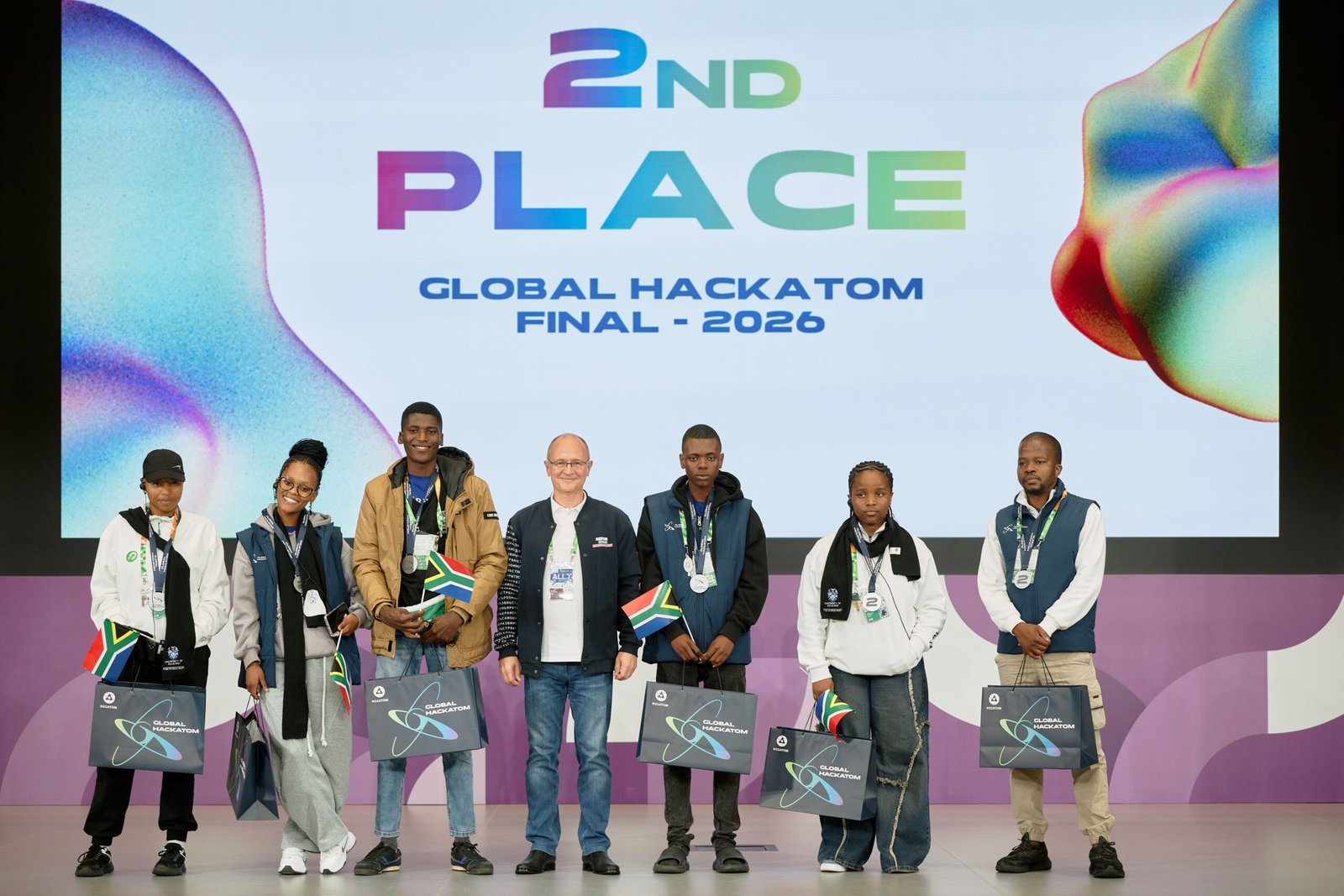
Ekaterinburg – Team University of Zululand has won silver at the international student championship Global HackAtom, presenting a concept for a comprehensive “atomic city” of the future in southeastern Africa.
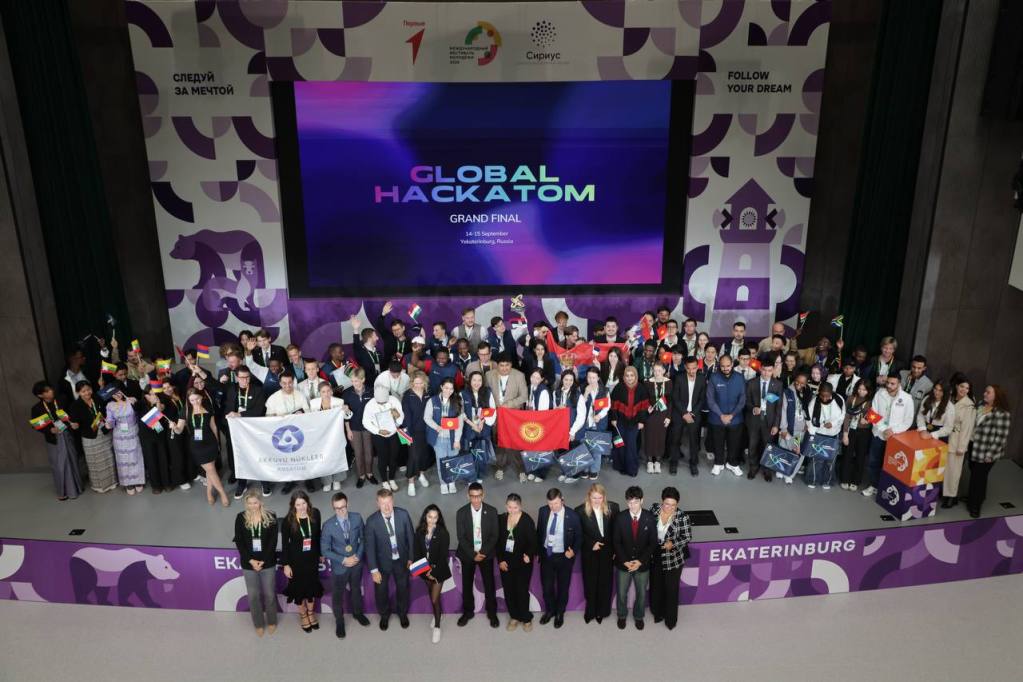
The final of the international student championship Global HackAtom was hosted in Ekaterinburg, Russia, from 14 to 15 September.
The event was held as part of the International Festival of Youth 2026 with the support of the state corporation Rosatom.
Now in its second edition, Global HackAtom challenges participants to tackle real-world nuclear industry problems within a 24-hour window.
The championship runs in two stages: national selection rounds followed by a grand final in Russia.
This year’s national rounds spanned 15 countries across Africa, Asia, Latin America and Europe.
The final brought together more than 80 winners of those national rounds, including teams from South Africa, Namibia and Egypt. Finalists envisioned what future “atomic cities” might look like.
“The international Global HackAtom championship is a unique platform for young talent,” noted Rosatom Director General International Network Egor Kvyatkovskiy.
“With national rounds now spanning 15 countries and growing every year, it is becoming a truly global event, bringing together thousands of students from across the world – from Southeast Asia to Latin America.
“Hackathons give young people a unique chance to put their knowledge, skills and creativity to work on real problems facing major corporations and governments worldwide today.
“Participants develop solutions in areas like sustainable development, digital transformation, energy efficiency and the integration of high-tech solutions into everyday life.
“I am confident the ideas these talented young people are coming up with are already laying the groundwork for the future – it is their fresh perspective and bold thinking that will shape the world of tomorrow.”
Over 20 hours, student teams built out their projects and prepared to present them.
The championship jury, which included Yohannes Bimrew Simegn from Ethiopia, a member of Impact Team 2050 – an international youth advisory council under the Rosatom Director General Alexey Likhachev – praised the level of preparation the students brought to their projects.
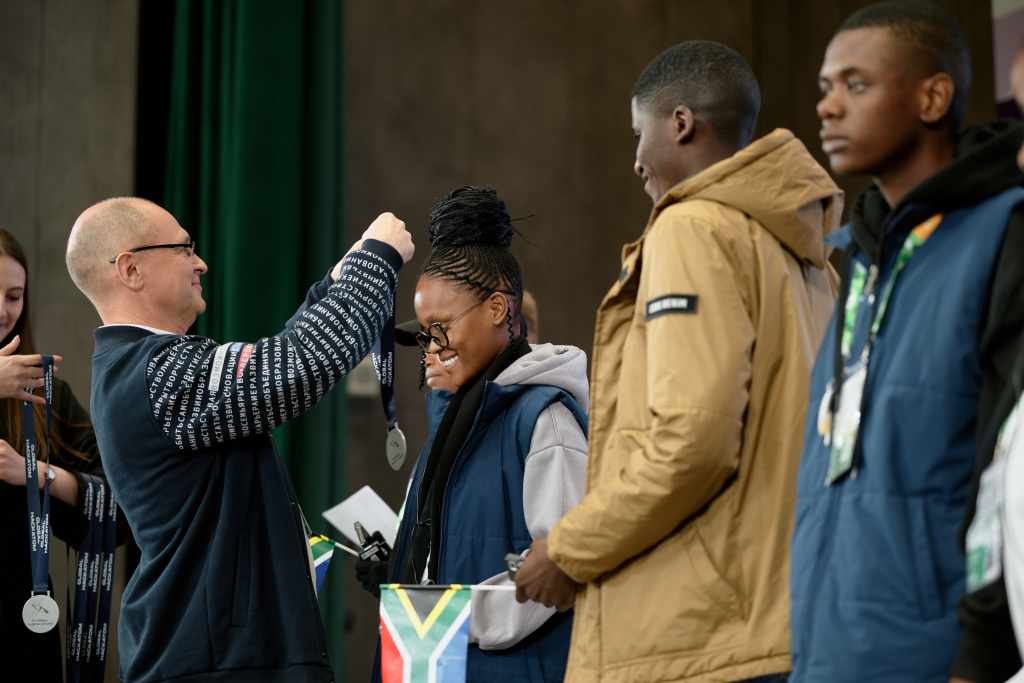
Team University of Zululand from South Africa took second place at the final, beaten only by the host nation’s team.
The South African students finished ahead of every other participating country with a concept for a comprehensive “atomic city” of the future to be built in southeastern Africa by 2050.
The continent also picked up recognition in a special category: at the official awards ceremony, Namibia won a unique prize from the Obninsk Tech project – an invitation to attend the Obninsk Tech Summer School in 2027.
Nuclear energy is emerging as a strategic priority for African countries looking to address energy shortages and lay the groundwork for long-term economic growth.
Interest in peaceful nuclear technology, workforce training and building homegrown scientific and technological capacity is growing across the continent.
Countries are at different stages of that journey – some are just signing their first cooperation agreements, others are already mining uranium, and still others are building their own nuclear power plants.
Workforce development is getting particular attention.
Students from a wide range of countries study nuclear science at Rosatom’s partner universities, with a significant share of these students coming from African nations.
Many of them go on to work in their home countries’ nuclear industries after graduating. Several initiatives support young people across the continent.
These include the Atoms Empowering Africa Video Contest, which has engaged young professionals in discussions on the peaceful use of nuclear technology since 2017, and the Icebreaker of Knowledge educational expedition to the North Pole.
Dedicated training programmes are also underway – Rwanda, for instance, is training its own nuclear engineers, while Tanzania and Namibia are training geologists for the uranium industry.
Young professionals joining forces around projects like these are becoming part of a growing international community in which Africa is playing an increasingly prominent role – giving its people a real stake in developing next-generation nuclear energy and its peaceful applications on the continent.
South Africa is home to the only operating nuclear power plant on the African continent – Koeberg, near Cape Town.
The country’s cooperation with Rosatom in this field has been developing against this backdrop for several decades: in March 2026, Rosatom and the South African Nuclear Energy Corporation signed a memorandum of understanding on workforce training and knowledge exchange, along with a separate agreement on developing nuclear energy in the country – including prospects for building Africa’s first VVER reactor.
Beyond large-scale power plants, the two sides are also exploring solutions for energy-deficient industrial regions, including floating power units based on RITM-200M reactors adapted for Africa’s tropical climate, which could complement South Africa’s future nuclear generation.
Against this backdrop, the strong result achieved by the University of Zululand team at Global HackAtom reflects South Africa’s growing interest in nuclear technology and the country’s deepening partnership.
The post Africa On The Podium: Team South Africa Takes Second Place At Global HackAtom Final appeared first on The Bulrushes.