Johannesburg – This year’s World Psoriasis Day theme, “Look Beyond My Skin,” placed young people living with psoriasis and psoriatic arthritis firmly in the spotlight.
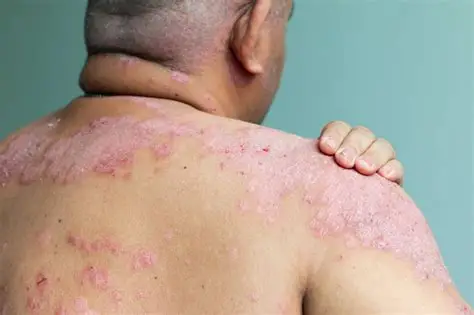
On World Psoriasis Day, commemorated earlier this week on Thursday, 29 October 2026, PsorAfrica called for a fundamental shift in how Africa sees and supports young people living with the disease that causes a rash with itchy, scaly patches, most commonly on the knees, elbows, trunk and scalp.
Led globally by the International Federation of Psoriasis Associations (IFPA), the campaign challenges society to support young people who are navigating the world of psoriasis.
The message comes with particular urgency for Africa.
More than 60% of Africa’s population is under the age of 25, making the youth central to the continent’s future.
At the same time, IFPA estimates that more than 3.5 million people in Africa are living with psoriasis, with many still undiagnosed, untreated or unable to access the care and support they need.
Around one in three people living with psoriasis experience their first symptoms during childhood or adolescence, meaning the condition can emerge during some of the most formative years of a person’s life.
For a young person, those years should be about discovering who they are, forming friendships, studying, beginning careers, building relationships and their future. Instead, some must also navigate a highly visible chronic condition alongside staring, bullying, isolation and stigma.
Samantha Wood, 28, from Zimbabwe recalls her experience growing up.
“Some of my classmates didn’t understand the condition, so it was hard for them to accept me. It made me feel different and otherwise about myself,’’ Wood lamented.
“I wasn’t confident enough to participate in sport. Once I walked into class and saw that some of the students had drawn a picture of me on the board with lesions.
‘’They thought I had leprosy. I went into depression after realising that was how other kids saw me.”
Growing up feeling different can affect more than just your appearance… | TikTok
PsorAfrica President Pierre-Célestin Habiyaremye said a psoriasis diagnosis should never be allowed to define a young person’s identity or limit their dreams.
“To the youth of Africa, your psoriasis does not diminish your immense potential. Your patches are blueprints of resilience and strength,” Habiyaremye said.
“Together, you will rise above the stigma and lead a visible and unstoppable generation.
“As PsorAfrica President, my vision is an Africa where no young person suffers in isolation.
“We are transforming our shared struggles into a powerful movement for healthcare equity.”
Look beyond what you can see
Psoriasis is not contagious. It is a chronic, immune-mediated inflammatory disease which can also involve the joints and is associated with a wider physical, psychological and social burden.
For young people, the consequences can extend into the classroom, friendships, dating, sport, social activities, further education and the workplace.
Many young people have shared stories of hurtful comments, rejection, embarrassment, loneliness and the pressure to cover their skin.
Habiyaremye said the theme “Look Beyond My Skin” means challenging some of the myths, which continue to fuel stigma.
“You cannot get psoriasis by touching someone, sharing a classroom, working alongside them, hugging them or sitting next to them,” Habiyaremye said.
“Misunderstanding of the disease causes people to withdraw from those living with visible skin conditions.
“Education can change that.”
However, tackling stigma alone is not enough.
For many Africans living with psoriasis, getting an accurate diagnosis and appropriate treatment remains difficult.
In many African countries, there are fewer than one dermatologist for every one million people.
Access to specialist care can be concentrated in major cities, while some patients travel long distances or even across national borders for treatment.
Modern therapies are unavailable or unaffordable for many.
This means that a young African experiencing the first signs of psoriasis may face two battles: understanding what is happening to their body and finding a healthcare system able to provide the care they need.
PsorAfrica believes this must change.
The organisation is calling for greater attention to mental health and the psychosocial impact of psoriasis, particularly among young people; for education in schools, universities and workplaces to challenge stigma and misinformation; and for the meaningful inclusion of young people living with psoriatic disease in health advocacy, policy development and decisions that affect their lives.
The post World Psoriasis Day: ‘Look Beyond My Skin’ – A Call Africa Cannot Ignore appeared first on The Bulrushes.