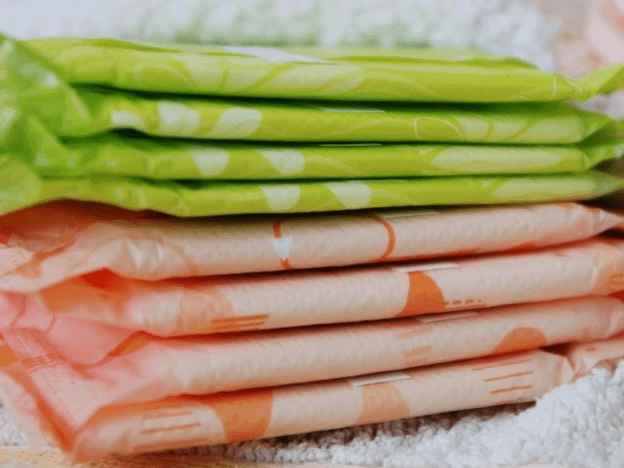
Johannesburg – The National Consumer Commission (NCC) says it has initiated an investigation against suppliers of sanitary pads that were tested in a study conducted by the University of the Free State and found to contain “harmful endocrine-disrupting chemicals”.
The NCC said on Tuesday, 24 February 2026, that it has noted the study conducted by the University of the Free State.
According to this study titled “The presence of Endocrine Disrupting Chemicals in sanitary pads: A study done in South Africa”, certain sanitary pads and panty liners may contain harmful endocrine-disrupting chemicals (EDCs) such as parabens, phthalates, and bisphenols.
These EDCs are linked to health complications such as hormonal imbalance, infertility, endometriosis, and cancer.
Millions of South African women and girls use these products monthly.
Based on this information, the NCC has initiated an investigation against the following suppliers whose products were apparently tested in the study:
- a) Kimberly-Clark of SA (PTY) Ltd (Kotex);
- b) Protector and Gamble (PTY) Ltd (Always);
- c) Anna Organics;
- d) The Lion Match Company (PTY) Ltd trading as Comfitex;
- e) Here We Flo trading as Flo;
- f) Johnson & Johnson (PTY) Ltd trading as Stay Free;
- g) Premier Group of Companies trading as Lil-lets;
- h) Essity Hygiene and Health AB trading as Libresse South Africa; and
- i) My Time.
“The investigation aims to review and assess the suppliers’ compliance with the provisions of the Consumer Protection Act (CPA), in particular sections 55 and 24,” the NCC said.
“The CPA states that consumers have the right to receive goods that are reasonably suitable for their intended purposes.
“Consumers also have the right to goods that are of good quality and in good working order.”
The goods must be free of defects and usable and durable for a reasonable time.
Simultaneously, the NCC will be requiring the concerned suppliers to conduct tests on the affected products or provide the latest laboratory results that tested for EDCs, if any.
Once the NCC receives the results, these will be assessed to determine whether product recall provisions in terms of section 60 of the CPA should be invoked.
Acting Commissioner, Hardin Ratshisusu, said: “The findings of the study raise serious concerns affecting women and girls that warrant an investigation, making this a priority investigation.
“The affected suppliers will be afforded an opportunity to respond to the concerns as part of the investigation before the NCC makes a determination on the matter.”
The NCC will engage with other stakeholders and regulatory authorities in the course of the investigation.
The post NCC Probes Source Of Sanitary Pads Found To Have Harmful Endocrine-Disrupting Chemicals appeared first on The Bulrushes.