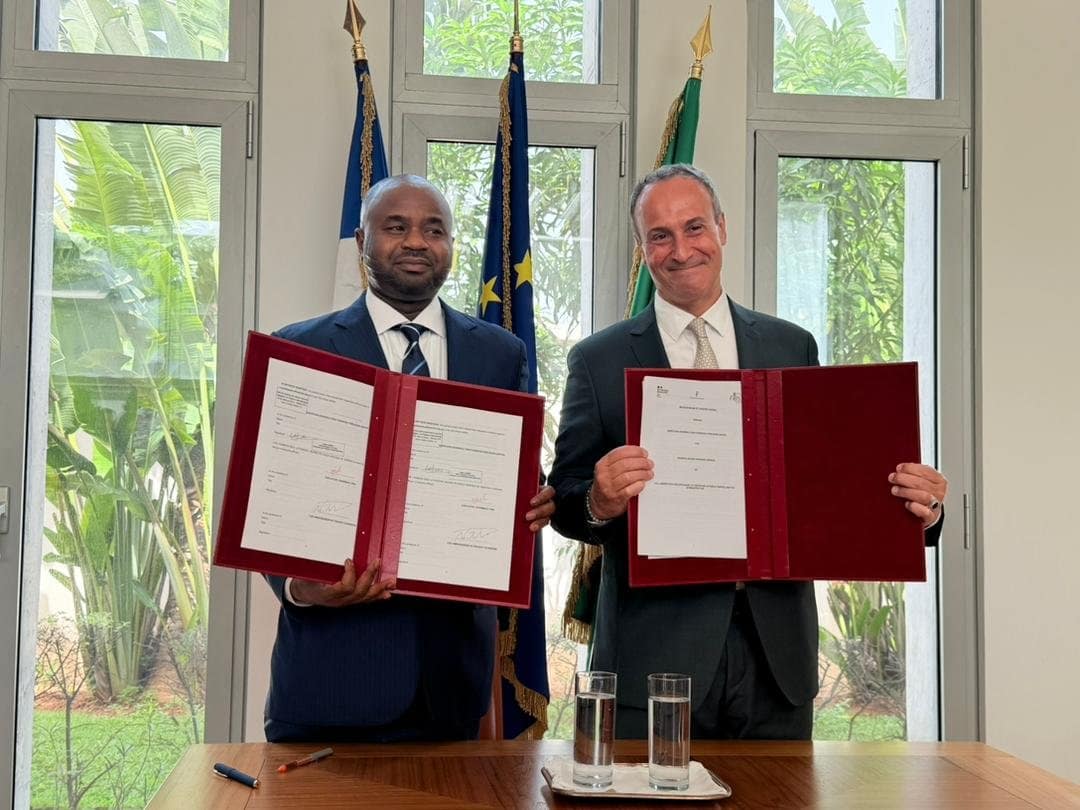

Nigeria’s efforts to modernise its tax administration has received a major boost as the Federal Inland Revenue Service, FIRS, formalised a new cooperation agreement with France aimed at strengthening revenue systems, enhancing digital capacity, and improving cross-border tax compliance.
The memorandum of understanding, signed at the French Embassy in Abuja by FIRS Executive Chairman, Dr Zacch Adedeji, and the French Ambassador, Marc Fonbaustier, establishes a framework for institutional collaboration between the FIRS and France’s Direction Générale des Finances Publiques, DGFiP.
Technical Assistant on Broadcast Media to the Executive Chairman, Arabinrin Aderonke, said that the development signals Nigeria’s determination to build “a system that works, earns trust, and makes citizens feel their contributions matter.”
The partnership will focus on modern tax administration practices, digital transformation, and staff capacity development.
Aderonke noted that the agreement reflects Adedeji’s “commitment to purposeful transformation,” describing the MoU as “a conscious effort to see what works elsewhere and ask how it can fit Nigeria”.
She added that the FIRS chairman has consistently argued that reform “is about how work is done, not just what is done,” emphasising the need for practical, functional digital tools rather than technology for its own sake.
“FIRS is exploring ways to make digital tools functional rather than ornamental,” she wrote, highlighting the agency’s push for faster processing, clearer communication, and improved compliance.
A central component of the collaboration involves the exchange of expertise.
French officials are expected to share insights from operating a mature tax administration, including professional standards, training systems and workforce management. In return, Nigeria will showcase its adaptability and the resilience of its youthful workforce.
“Both agencies stand to learn from each other,” Aderonke observed, saying the partnership will help strengthen the “culture and capability” of tax professionals in both countries.
The MoU also covers emerging global issues such as transfer pricing, cross-border taxation and information exchange—areas Aderonke described as “no longer optional” for any modern economy.
The agreement provides a platform for Nigeria to align with international best practices while safeguarding national interests.
The author stressed that the partnership should not be viewed as a hierarchy but as “conversation, experimentation, and shared curiosity.” She credited Adedeji for taking initiative, saying he “has not waited for systems to be perfect before acting,” and praised his hands-on leadership style, which she believes is yielding positive results for taxpayers.
“This is another move towards something good,” she concluded, noting that Nigerians are increasingly feeling that “the system is working for them.”
Tax Reform: Nigeria, France collaborate for improved revenue systems