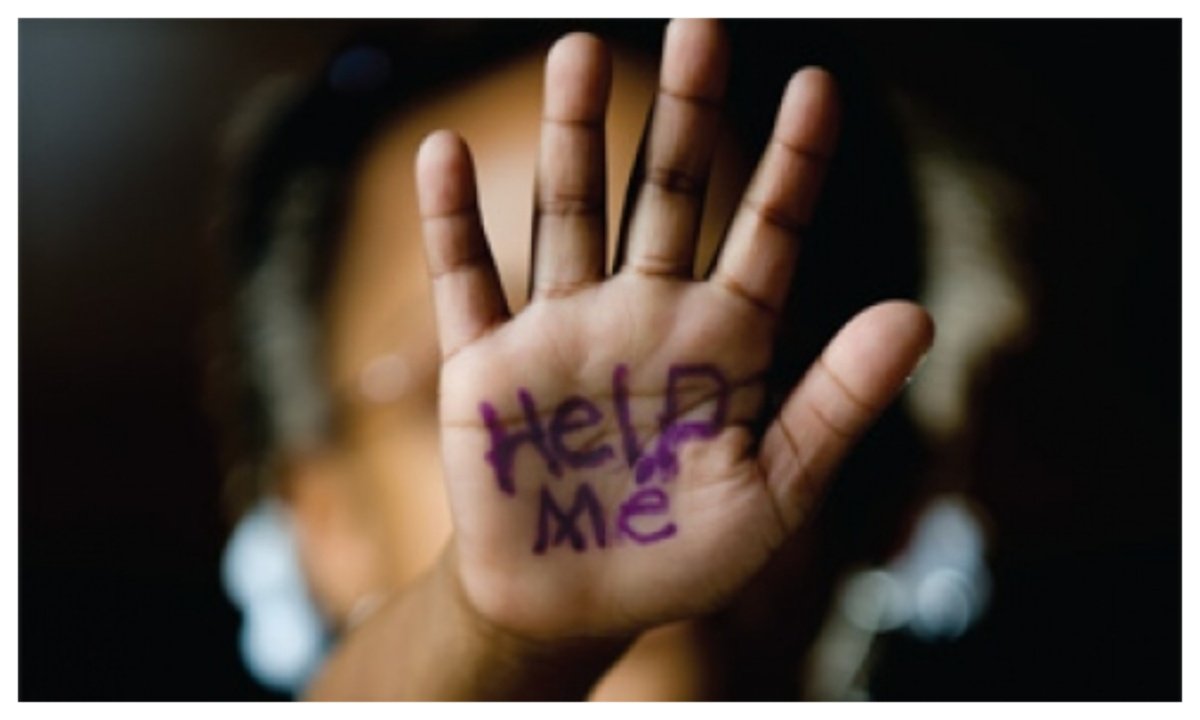

A series of sexual abuse cases in Niger State has exposed systemic gaps in child protection and the urgent need for both local and national interventions.
DAILY POST investigations revealed that children as young as one year old have been subjected to sexual violence, some requiring surgery and long-term medical care, while others face trauma from abuse.
Families, authorities and civil society continue to grapple with the challenge of safeguarding children against repeat offenders and delayed justice.
In one harrowing case last year, a one-year-old girl was sexually abused by multiple perpetrators in Kontagora local government area of the state.
Her father, who spoke to DAILY POST, described the ordeal as “painful beyond words.”
“I was scared for her life and felt helpless, not knowing if the people responsible would be caught,” he added, noting that the attackers inflicted severe injuries on her internal organs that required medical intervention both within and outside the state.
“The pain they caused my little child is unimaginable,” he said, emphasizing the trauma his family continues to endure despite state support.
Findings revealed that the state government then coordinated her treatment and ensured medical and legal attention, highlighting the State’s capacity to respond when resources and urgency align.
Equally disturbing is the case of a father who sexually abused his two young daughters.
Initially, the mother faced immense pressure to suppress the matter, but the maternal grandmother intervened, reporting the abuse to the Ministry of Women Affairs and the Child Rights Agency.
The girls have since received medical and psychological support, while authorities pursued justice despite familial and societal pressures.
These cases reveal that child sexual abuse in Niger State spans both intrafamilial and external threats, underscoring the urgency of coordinated interventions by government agencies, civil society, and communities.
The Police in the state have been actively investigating and prosecuting reported cases.
SP Wasiu Abiodun, Police Public Relations Officer, confirmed multiple arrests in February 2026, including suspects involved in the rape and sexual assault of girls aged three to thirteen across Minna, Kontagora, and Mokwa areas of the state.
Some offenders had previously been released, only to attempt similar crimes again.
“We have investigated, charged them to court, and are following due process,” Abiodun stated.
He noted that judicial discretion and legal representation can complicate prosecution, emphasizing the need for coordinated monitoring of repeat offenders.
Civil society groups implementing the SCAPAGBV 3.0 initiative, led by Mr. Olasunkanmi Kalejaiye and supported by the Nigeria Women Trust Fund, observed that awareness campaigns and community engagement remain insufficient.
“Recording nine cases in February alone means efforts are still not enough,” Kalejaiye told DAILY POST.
According to him, “If awareness exists but reports continue, it shows our messages are not reaching all communities. We must work closely with local leaders, who can disseminate information to their communities.”
He also called for stricter bail policies and dedicated courts in the country to ensure perpetrators remain in custody until trials are concluded.
The Ministry of Women Affairs, under Commissioner Hajia Aisha Kuta, has also intensified efforts to follow up cases on the ground.
In February 2026, Kuta recounted the arrest of Jafar Muhammed, a repeat offender who attempted to sexually assault three girls aged six to seven.
“We intervened to ensure the suspect was transferred to Minna for proper investigation. Families often face immense financial and social pressure, which can prevent them from pursuing justice,” Kuta told journalists.
She emphasized that early intervention, timely medical tests and counseling were critical to protecting survivors.
Barr Bolanle Jibogun, chairperson FIFA Nigeria, Niger State branch,
noted that the Child Rights Law provides life imprisonment for sexual offences against children, but social stigma often pressures families to withdraw cases.
“I am handling a case where the mother is under serious threat to settle at the police level.
“Sexual offences are not compoundable under the law, yet societal pressure undermines enforcement,” she said.
Barr Ummulkhatum Mohammed, Director General of the Child Rights Agency, emphasized the importance of following up such cases.
“We are assigning cases like this to magistrate courts and following up rigorously
“In the past, this offender returned to the system due to insufficient judicial follow-up.
“This time, given the rising level of sexual violence, we will track all cases to ensure perpetrators like Jafar Muhammed are brought to book,” he said.
DAILY POST asked the agency about the timeline for prosecution and whether delays in the previous case contributed to the repeat offence.
Officials responded that the case is still ongoing in court and while they are actively following up, a definitive timeline for judgment cannot yet be provided.
When contacted for comment, the Director Gender-Based Violence (GBV) of the Ministry of Justice, Barr. Hadiza Dantsofo, explained that police investigations often determine when and how the Ministry receives case files for prosecution.
“Sometimes, cases are delayed due to jurisdiction issues or when police prosecutors are withdrawn from court.
“Currently, the case files are at court level, and we do not have the full records yet,” she told Dai.
This underscores challenges in inter-agency coordination that can delay justice.
The community impact of these crimes is profound.
Baba Musa, a local leader in the Tunga area of Minna, observed, “Parents are terrified to let their children play outside.
“Trust in neighbors and even family is eroded when perpetrators are known to have committed offences before.”
According to mother to one of the victims, raped just days before Ramadan, “I still cannot believe this happened to my little girl.
“She used to run around the neighborhood laughing, and now every time she sees someone unfamiliar, she cries. I felt powerless and scared for her life when we went to report it.”
Neighbours described the constant fear that grips communities when incidents of abuse are reported as painful and traumatizing
Mrs. Blessing, a resident of Kontagora, said, “We feel unsafe even within our homes. It is heartbreaking.”
Hajiya Aisha stated, “Parents cannot always watch every child. Community awareness and education are critical.”
Mallam Bala, another neighbour, observed, “Every child deserves protection. Silence and stigma only embolden offenders.”
These accounts revealed the societal fear and psychological toll that sexual violence inflicts on communities.
Psychologists also note long-term consequences, Mrs Mercy Amina Elaigwu, Counselling Psychology, Proprietor of Cedar Top Academy, explained that survivors often experience disrupted behavior, intimacy issues, suicidal thoughts and social stigma.
She advocated for deeper sexual education from primary school, awareness campaigns in communities and religious institutions, and stringent enforcement of penalties to deter offenders.
Statistical data from the Women Advocacy, Research and Documentation Center (WARDC) indicates that Niger State recorded over 1,000 cases of sexual and gender-based violence between 2023 and 2024, yet only 100 victims received treatment and only eight convictions were obtained.
“The government at all levels must invest in SGBV prevention and increase budgets for effective intervention,” said Mrs Hassana Joan Kpetu, WARDC state coordinator.
She urged greater engagement of legislators and civil society to strengthen the Ministry of Women Affairs, Ministry of Justice, and Child Rights Act Agency.
Nationally and globally, Niger State is far from unique.
UNICEF reports that one in four girls and one in six boys experience sexual abuse before the age of 18, highlighting the global dimension of the crisis.
Experts stress that enforcement of laws, coordinated community vigilance, and psychosocial support are essential for reducing repeat offenses with lessons seen in countries such as India and the United Kingdom where monitoring systems and integrated survivor care have proven effective.
DAILY POST observed that while authorities are increasing prosecutions and community education, challenges persist.
Repeat offenders, gaps in judicial follow-up, social stigma, and limited resources create a cycle of impunity.
Experts, psychologists, community leaders and residents emphasized that protection of children requires a coordinated effort across families, schools, religious institutions, civil society and government, supported by robust legal frameworks and sustained community vigilance in the country
Defilement: Niger State’s child abuse cases trigger fresh concerns