Johannesburg – As the world marks “World TB Day” today, Tuesday, 24 March 2026, under the theme “Yes! We can end TB!”, South Africa faces a clear challenge in turning awareness into early action.
Tuberculosis, also called TB, is a serious illness that mainly affects the lungs.
TB can spread when a person with the illness coughs, sneezes, or sings.
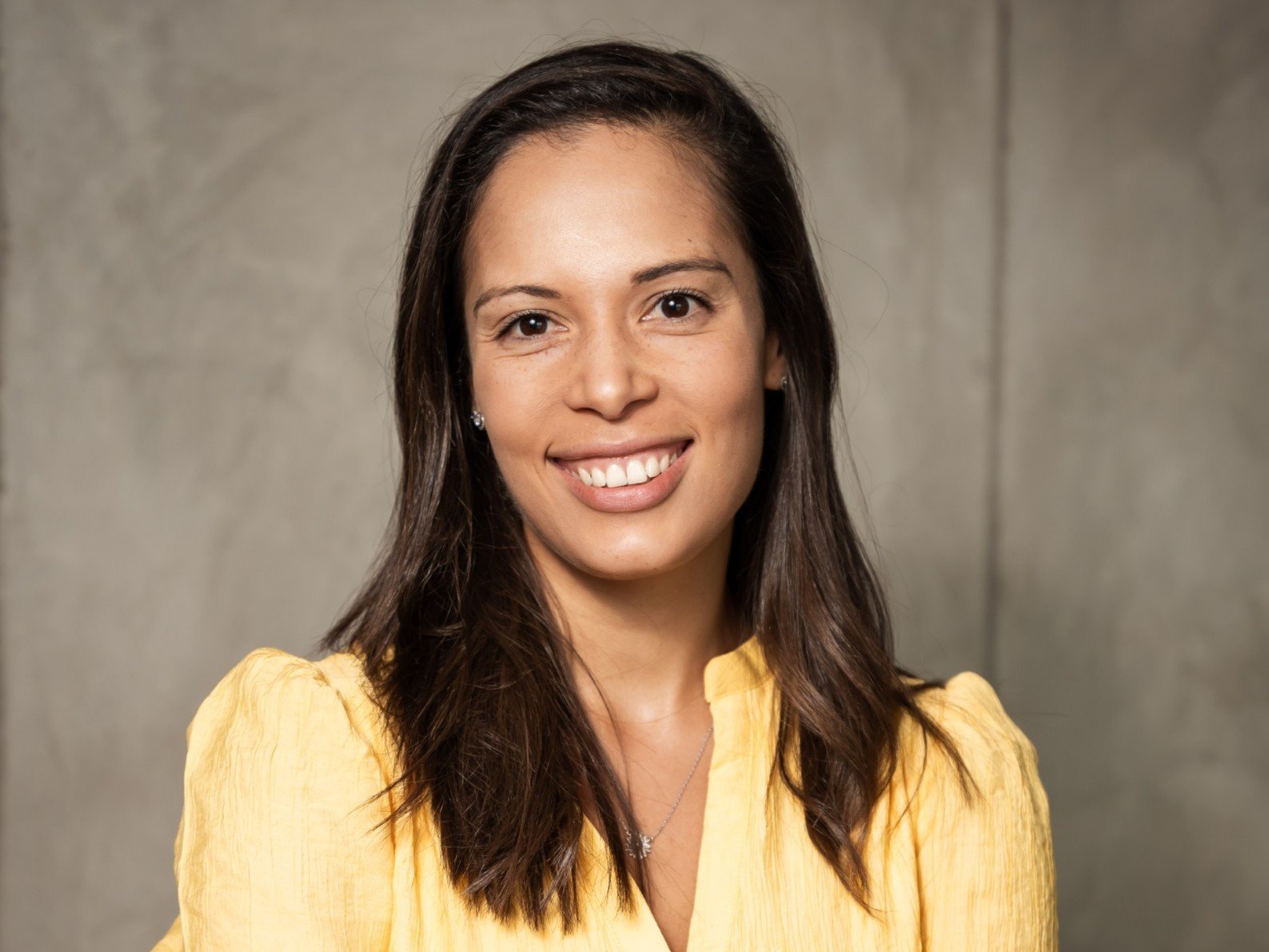
“TB is all around us,” stated Dr. Jessica Hamuy Blanco, Product and Clinical Risk Executive at Dis-Chem.
“Many people don’t realise that exposure is common.
“The bacteria can lie dormant for years and only become active when the immune system is compromised.”
Despite widespread awareness, a critical gap remains between what people know about TB and how quickly they act on symptoms.
This gap continues to shape outcomes for thousands living with this preventable and curable disease.
According to the World Health Organization (WHO), approximately 249 000 people in South Africa developed tuberculosis in 2024.
TB remains close to home
Although preventable and curable, TB continues to spread quietly, often because symptoms are ignored and treatment is delayed.
“People don’t always recognise the signs early enough or know where to seek help,” said Dr. Hamuy Blanco.
“This is where informed, trusted healthcare makes the difference.”
South Africa remains one of the countries hardest hit by TB globally.
The disease is closely linked to HIV, with weakened immune systems increasing the risk of TB becoming active.
At the same time, socio-economic realities such as overcrowding and limited access to healthcare continue to drive transmission.
Delayed diagnosis means individuals remain infectious for longer, placing families and communities at greater risk.
Early detection can change outcomes
Detecting TB early remains one of the most effective ways to reduce its spread and improve recovery.
Treatment typically involves a six- to nine-month course of antibiotics, with strong success rates when completed.
However, early symptoms are often missed.
“The signs can be missed or ignored,” explained Dr. Hamuy Blanco.
“A persistent cough, fatigue, night sweats, or weight loss are easy to dismiss as stress or a lingering illness.
“That delay gives TB time to spread.”
Creating space for early conversations, whether at a clinic, pharmacy, or with a nurse, can make the difference between early intervention and prolonged illness.
Finishing treatment is non-negotiable
Another major barrier to ending TB is interrupted treatment.
Many patients begin to feel better within weeks and assume they are cured, while others struggle with side effects or the practicalities of repeated clinic visits.
“When treatment is stopped too soon, the bacteria are not fully eliminated,” said Dr. Hamuy Blanco.
“This is how drug-resistant TB develops, which is far more difficult and costly to treat.”
Supporting patients through the full course of treatment is essential, with clear communication and ongoing support improving adherence.
Bringing care closer to people
“Accessible healthcare is critical in closing the gap between awareness and action,” said Dr. Hamuy Blanco.
Retail health clinics and digital health platforms are increasingly helping to make care part of people’s everyday lives.
These routine touchpoints create opportunities for people to ask questions, seek advice, and act early, helping to normalise testing, reduce stigma, and support patients throughout their treatment journey.
“Care needs to fit into people’s daily lives,” she added.
“It should be easy to access, easy to understand, and supportive from start to finish.”
Turning intent into impact
TB is both preventable and curable, yet it continues to claim lives because of delayed action and incomplete treatment.
“Ending tuberculosis takes more than medicine. It requires a human-centred approach that supports people from early testing through to completed treatment,” she concluded.
“By breaking down stigma and acting sooner, South Africa can move from awareness to impact.“
The post World TB Day: SA Can End Tuberculosis By Replacing Stigma With Early Action appeared first on The Bulrushes.