More than a century after they were founded to expand access to capital in underserved communities, two of the nation’s oldest Black-owned banks are joining forces to create a financial institution with approximately $1.27 billion in assets.
South Carolina-based Optus Bank and North Carolina-based Mechanics & Farmers Bank (M&F) announced plans to merge in a transaction valued at more than $105 million. Subject to regulatory and shareholder approval, the combined institution will operate 10 banking locations across the Carolinas and bring together more than 220 years of banking history.
According to the companies, the merger will create the largest Black-owned financial institution in the United States.
The announcement represents one of the most significant combinations involving Minority Depository Institutions (MDIs) in recent years.
Bringing Together Two Historic Institutions
Mechanics & Farmers Bank was founded in 1907 in Durham, North Carolina, where it became part of the city’s historic Black Wall Street business district. Over more than a century, the bank financed entrepreneurs, homeowners, churches, and businesses throughout North Carolina while surviving economic downturns that forced many community banks to close.
Optus Bank traces its history to 1921 in Columbia, South Carolina. Today, it is South Carolina’s oldest Black-owned bank and one of the country’s certified Community Development Financial Institutions (CDFIs), providing commercial banking, consumer banking, mortgage lending, and small business financing.
Both institutions were established during a period when Black entrepreneurs and families faced limited access to traditional financial services. More than 100 years later, that shared mission remains central to both organizations.
Building Greater Scale
As of March 31, 2026, Optus reported approximately $785 million in assets, while Mechanics & Farmers reported roughly $518 million, creating a combined institution with approximately $1.27 billion in assets.
While the merger increases the institution’s size, its significance extends beyond the balance sheet.
A larger financial institution can increase lending capacity, invest more heavily in technology, strengthen treasury and commercial banking services, and compete for larger business relationships while continuing to serve local communities.
In announcing the transaction, Optus Chairman Paul Mitchell described the merger as “a defining moment” for mission-driven banking.
“M&F Bank has a proud legacy of supporting entrepreneurship, fostering generational wealth, and expanding access to capital in underserved communities,” Mitchell said. “Together, we will create a stronger institution with greater scale, enhanced capabilities, and an expanded capacity to advance economic mobility throughout the Carolinas and beyond.”
A Rare Combination
The broader U.S. banking industry has experienced decades of consolidation as institutions merged to achieve greater scale, reduce operating costs, and meet growing regulatory and technology demands.
Black-owned banks have followed a different path.
While the number of Black-owned banks has declined over time through closures, ownership changes, and acquisitions, mergers between Black-owned institutions have remained relatively uncommon. Previous landmark combinations, including the merger of City First Bank and Broadway Federal Bank in 2020, stand out precisely because they occur so infrequently.
That makes the Optus–M&F transaction notable. It brings together two century-old institutions with similar missions while preserving their focus on expanding access to capital through Minority Depository Institution and Community Development Financial Institution programs.
What Happens Next
The merger is expected to close during the fourth quarter of 2026, pending regulatory approval and approval from M&F Bancorp shareholders.
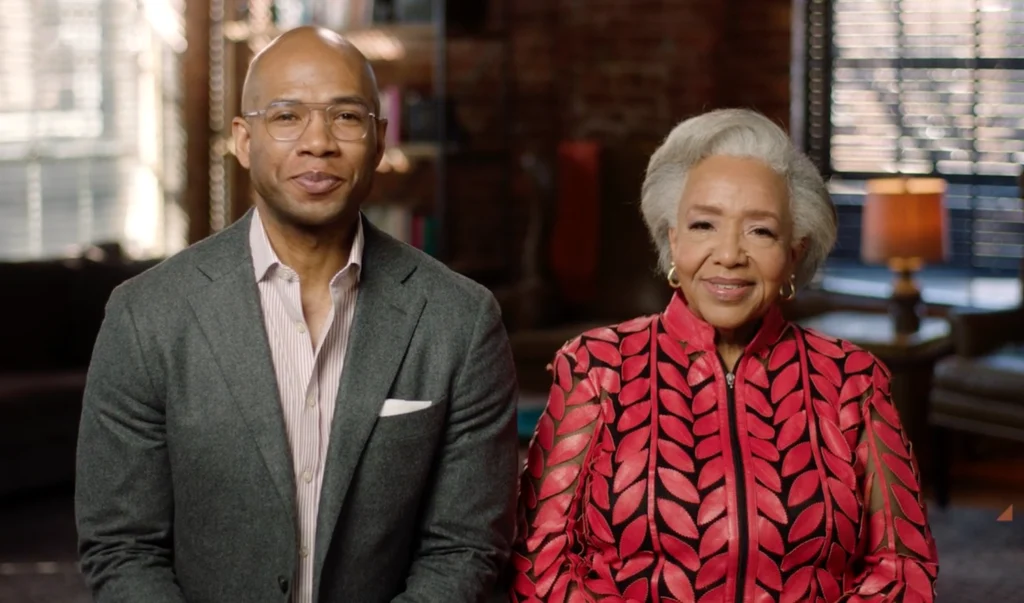
James H. Sills III will serve as chief executive officer of the combined company, while Paul Mitchell will remain chairman.
Mechanics & Farmers’ seven branches will continue operating under the M&F name for approximately two years before transitioning to the Optus brand.
For businesses across the Carolinas, the combined institution could expand access to commercial lending, treasury services, and other financial products while maintaining the community-focused mission that has defined both banks for generations.
The transaction also represents an important milestone in the evolution of Black-owned banking. More than 220 years after their founding, two historic institutions are choosing to build greater capacity together, creating a larger platform to finance entrepreneurs, businesses, and communities across the region.
The post Two Historic Black-owned Banks Announce $1.27 Billion Merger appeared first on SHOPPE BLACK.