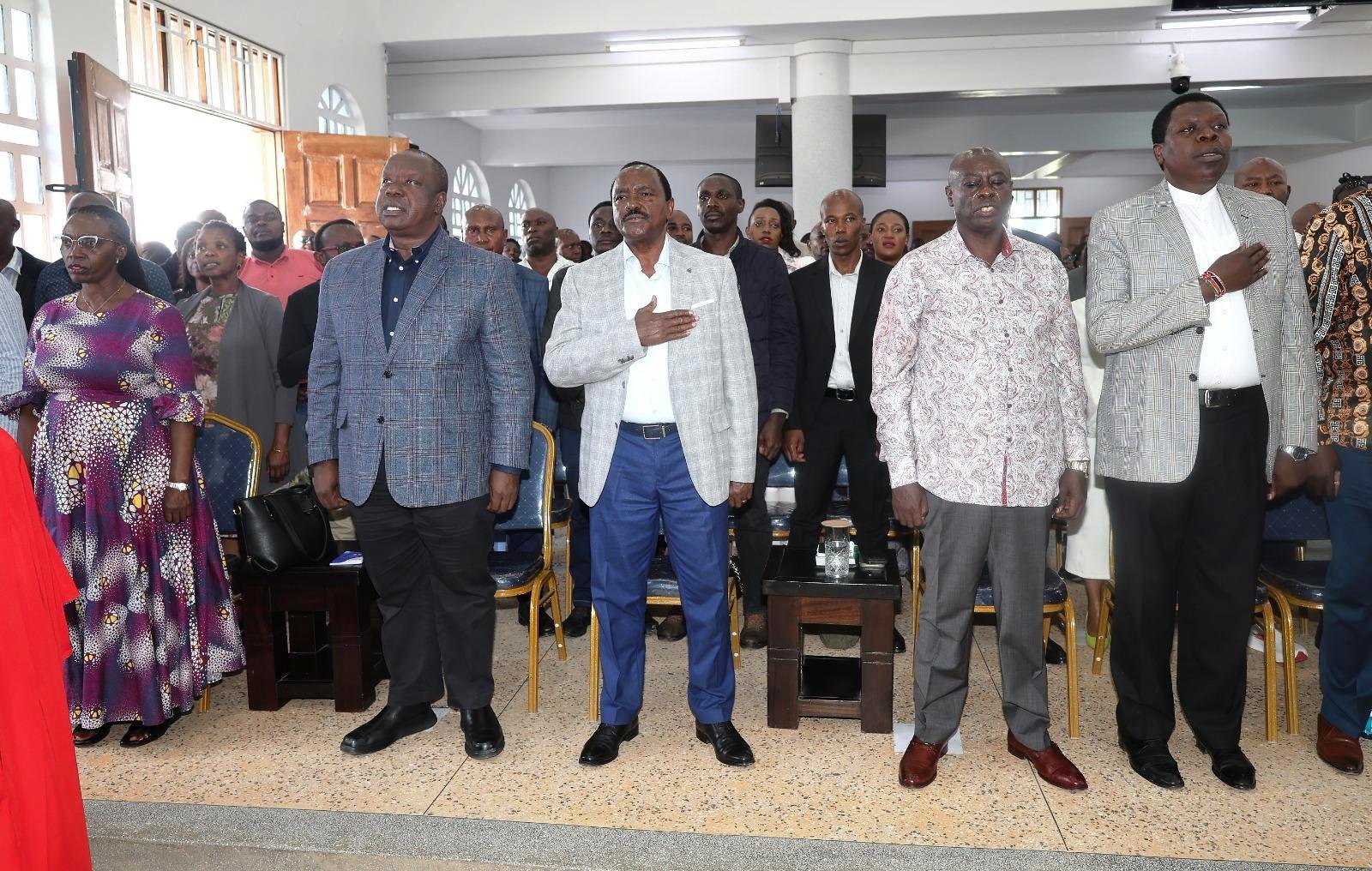
Linda Mwananchi movement leaders Edwin Sifuna and James Orengo. PHOTO/UGC.
By PATRICK MAYOYO
I have been reflecting on whether Kenya’s opposition formations, particularly Edwin Sifuna’s Linda Mwananchi movement and Kalonzo Musyoka’s Ukombozi Alliance, can make the establishment of a federal republic a central issue in the 2027 General Election. The question arose following a discussion with a friend, James, whose argument challenged me to reconsider Kenya’s constitutional future.
James believes the opposition should stop defining itself merely by its opposition to President William Ruto and instead offer Kenyans a transformative political alternative. For me, that alternative could be a fundamental restructuring of the state: replacing the excessive concentration of power in the presidency with a federal republic that guarantees meaningful regional autonomy, equitable development and inclusive governance.
I increasingly agree with this argument. Kenya does not merely need a change of president; it needs a system in which the future of an entire country is not determined by who wins State House.
Kenya’s federalism debate is not new. It dates back to the constitutional negotiations preceding independence in 1963, when the Kenya African Democratic Union (KADU), led by Ronald Ngala, advocated Majimbo, a system of regional autonomy intended to protect smaller communities from domination by a powerful central government.
The Kenya African National Union (KANU), led by Jomo Kenyatta, favoured a stronger centralised state. Following independence, KADU dissolved and merged with KANU in 1964. Subsequent constitutional changes progressively dismantled regional autonomy, concentrating political and administrative authority in Nairobi.
That decision shaped Kenya’s political destiny for decades. Control of the presidency became synonymous with control of the state, national resources and the institutions through which political influence was exercised.
I believe Kenya has never fully resolved the fundamental question at the heart of the Majimbo debate: how do we build a united country without concentrating so much power at the centre that communities outside it feel politically marginalised and economically neglected?
The 2010 Constitution introduced an important correction through devolution and the establishment of 47 county governments. This was a historic achievement, but it did not fundamentally transform the presidential system into one that adequately disperses executive authority at the national level.
The lesson is clear: decentralising some government functions is not the same as establishing a federal republic with constitutionally protected regional powers.
The 2007 disputed presidential election and the violence that followed exposed the dangers of winner-takes-all politics. The 2008 grand coalition government demonstrated the need for political accommodation, while subsequent handshakes and broad-based arrangements have continued to reveal the difficulty of building durable national consensus through elite negotiations.
These arrangements may temporarily ease political tensions, but they do not necessarily resolve the structural problem. They can leave the underlying concentration of power intact, depending on how they are constituted.
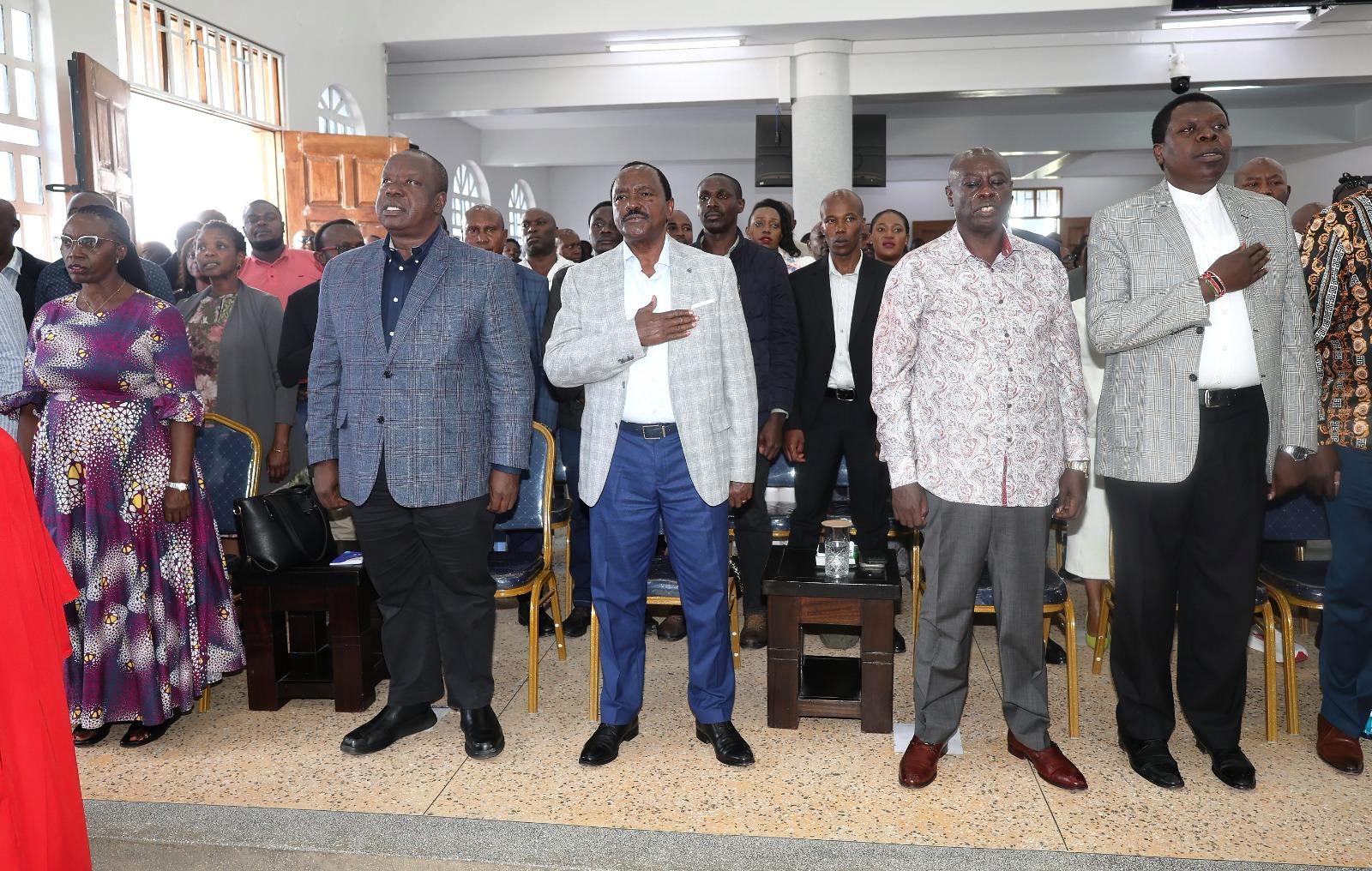
Ukombozi Alliance luminaries (from left) Martha Karua, Dr Fred Matiangi, Kalonzo Musyoka, Rigathi Gachagua and Eugene Wamalwa. PHOTO/UGC.
My argument is that Kenya must move beyond political bargains between competing elites and address the constitutional foundations of exclusion.
Under the current presidential system, the presidency remains the principal prize in national politics. Although Parliament, the judiciary, independent commissions and county governments provide checks and balances, the president retains considerable influence over national executive policy and appointments.
Consequently, losing a presidential election can leave an entire political constituency feeling excluded from the national executive, even when it commands substantial support in particular regions.
I want a Kenya in which losing the presidential election does not mean losing the opportunity to shape regional development, manage local priorities or exercise constitutionally guaranteed political authority.
That is why I believe federalism deserves serious consideration as a central pillar of the opposition’s 2027 agenda.
James proposes reorganising Kenya into eight autonomous federal states broadly corresponding to the former provinces: Nairobi, Western, Nyanza, Coast, Mt Kenya, Eastern and North Eastern, alongside the Rift Valley region.
Under this arrangement, the existing 47 county governments could remain as the lower tier of government, operating within the respective federal states. Alternatively, their functions and institutional structures could be rationalised following a comprehensive public consultation and constitutional review.
I favour opening this debate honestly rather than treating the existing administrative structure as untouchable.
The objective should be to establish viable regional governments with clearly defined legislative, administrative and fiscal responsibilities. Each region should have the authority to prioritise infrastructure, economic development and public services according to its circumstances, subject to the Constitution and national standards.
Consider the congestion between Ahero and Kisumu. The daily frustration experienced by motorists raises a legitimate question about how infrastructure priorities are determined and how resources are distributed. Meanwhile, major transport projects around Nairobi and Thika continue to attract attention.
I am not suggesting that one road project automatically proves regional discrimination. Rather, I am asking whether our current governance arrangements give every region sufficient authority and resources to address its development priorities without depending excessively on decisions made in Nairobi.
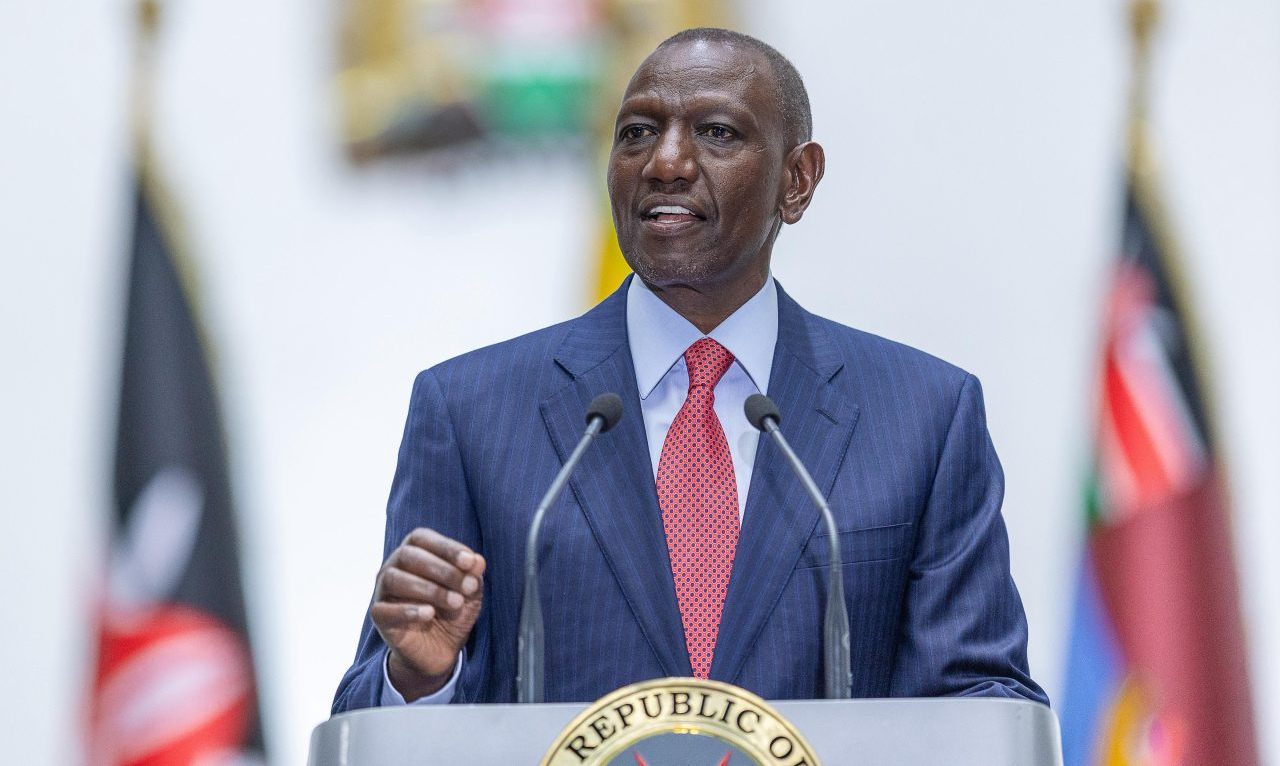
President William Ruto. PHOTO/UGC.
Federalism should make development more responsive to the people who experience its consequences. For federalism to work, regional autonomy must be accompanied by fiscal authority.
I support exploring a system in which federal states retain a constitutionally defined share of revenue generated within their jurisdictions, while contributing to a national revenue pool that finances common responsibilities and equalisation transfers.
James proposes that federal states collect taxes from individuals and businesses operating and earning income within their territories, while customs duties remain a federal responsibility.
This proposal deserves serious examination, although it would require a carefully designed national tax framework to avoid double taxation, competing tax regimes and revenue disparities.
The federal government would retain responsibility for defence, foreign affairs, monetary policy, customs and other functions that require national coordination. It would also need adequate resources to support poorer regions and guarantee minimum standards of public services throughout the country.
My position is straightforward: regional autonomy must not become regional inequality. Federalism should empower communities while preserving national solidarity and equal citizenship.
I also support examining constitutional arrangements that separate the presidency from the day-to-day leadership of government.
The 2010 Constitution emerged from a long struggle to curb excessive executive authority. Yet the constitutional negotiations that preceded it, including the contested debates over earlier reform drafts, reflected persistent disagreements about how best to distribute executive power.
I believe Kenya should consider a system with a president, deputy president, prime minister and two deputy prime ministers, alongside a constitutionally recognised leader and deputy leader of the opposition.
However, creating additional offices without clearly distributing their powers would accomplish little. The prime minister should have substantive constitutional authority, lead government business and remain accountable to Parliament. The president’s responsibilities should be clearly defined, while the opposition should enjoy institutional recognition without being guaranteed automatic entry into government.
The two deputy prime ministers should serve defined executive responsibilities rather than become instruments for permanently allocating government positions along ethnic lines.
The objective is not to reward every political faction with a government position. It is to ensure that political competition does not give one individual excessive control over the institutions of the republic.
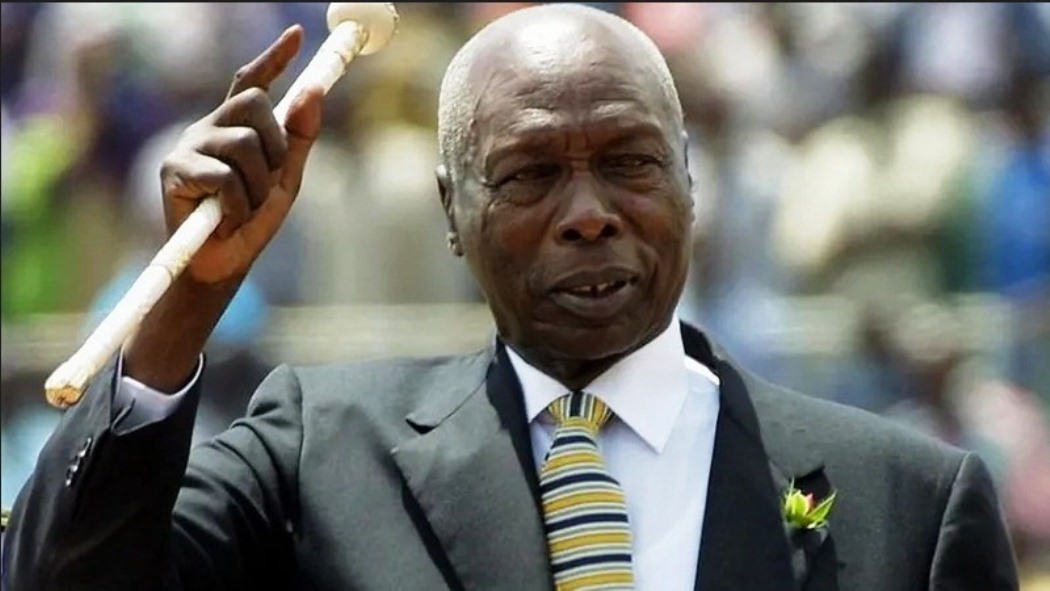
The late President Daniel arap Moi, was a founder member of Kanu that agitated for a Majimbo system of government. PHOTO/UGC.
Germany and Switzerland offer useful lessons in federal governance, while South Africa demonstrates that provincial institutions alone do not necessarily create a fully federal state. Kenya must develop a model suited to its own history, political realities and economic circumstances.
I recognise the risks.
Kenya already has a national government and 47 county governments. Creating eight federal states, regional legislatures and additional executive offices could increase public expenditure significantly if existing institutions were simply duplicated.
The reform process must therefore include an independent assessment of costs, institutional responsibilities and anticipated benefits. Any new structure should eliminate unnecessary bureaucracy rather than multiply offices at public expense.
There is also the danger of reproducing winner-takes-all politics at regional level. A dominant community or political party could marginalise smaller communities within a federal state.
Constitutional protections, independent courts, transparent budgets, legislative oversight and fair revenue-sharing arrangements would be essential.
Federal boundaries must reflect geographical, economic and administrative realities, not the assumption that particular regions belong to particular ethnic communities.
A federal republic must strengthen Kenyan citizenship, not institutionalise ethnic divisions.
I believe Linda Mwananchi and Ukombozi Alliance have an opportunity to move the opposition debate beyond personalities and electoral alliances. But they must demonstrate that federalism is a democratic conviction, not simply a strategy for defeating President Ruto.
If the opposition wins in 2027, it should be prepared to surrender some of the presidential powers it has campaigned to control. That would be the real test of its commitment.
If it loses, it could still build a reform coalition through Parliament, county governments, civil society and public consultations. Constitutional reform should not depend entirely on who occupies State House.
The opposition should publish a constitutional charter before the election, explaining the proposed federal structure, the distribution of powers, regional taxation, equalisation transfers and the future of the 47 counties.

The late ODM leader Raila Odinga, agitated for a Federal system of government. PHOTO/FILE.
It must also clarify how the proposed executive system would operate and how citizens would participate in the transition.
Any such restructuring would require a constitutionally compliant amendment process. Under Articles 256 and 257, amendments may proceed through parliamentary or popular initiative, subject to the applicable requirements. Changes affecting the structure of devolved government fall within Article 255’s protected categories and require a referendum.
A referendum should therefore follow a transparent, informed and inclusive national debate, not a hurried political bargain.
I increasingly agree with those Kenyan political leaders and constitutional thinkers who have argued that a federal republic offers a credible alternative to excessive centralisation.
Kenya’s political future cannot continue revolving around an endless contest between competing coalitions seeking control of the presidency. Nor should national unity be confused with the concentration of power in Nairobi.
For me, the central question is whether Kenyans are prepared to move beyond changing the occupants of State House and begin changing the structure of the state itself.
A federal Kenya, supported by meaningful regional autonomy and a rebalanced executive, could offer a pathway towards more accountable government, equitable development and stronger democratic participation. But its success would depend on sound constitutional design, fiscal sustainability and enforceable protections for every citizen.
I want the 2027 General Election to become an opportunity to debate this fundamental question: Should Kenya continue concentrating national power in the presidency, or should we build a federal republic in which power is constitutionally shared between the national government and autonomous regions?
I believe the opposition should put that question before Kenyans—not as a slogan, but as a serious constitutional proposition.
Kenya needs more than a new president. It needs a new understanding of how power should be exercised, shared and held accountable.
That is the federal republic debate I want to see become part of our national political agenda in 2027.
The writer is an editor with EYEWITNESS MEDIA GROUP.