Johannesburg – As South Africa approaches 30 June 2026, undocumented migrants face an atmosphere of fear and uncertainty.
Anti-immigrant groups have set this date as a deadline for foreign nationals—particularly those without legal papers—to leave the country, warning of consequences they claim they cannot control afterward.
This ultimatum has triggered a wave of departures, heightened community tensions, and drawn international attention amid South Africa’s persistent challenges of high unemployment, crime, and strained public services.
(Source: theguardian.com)
Who is behind the expulsion push?
The movement is driven by citizen-led anti-immigration groups, including March and March, Amabhinca, and Operation Dudula, with support from opposition parties like ActionSA.
March and March has organised nationwide protests, often described as mainly peaceful but accompanied by reports of intimidation, harassment, and occasional violence.
Activists confront migrants on the street, demanding they leave voluntarily “now” because “on 30 June I can’t control the people of South Africa,” as one prominent figure in a Zulu headdress told a Congolese man in a widely circulated video.
(Source: bbc.com)
Dudula
;
“We don’t want to see you in this country after June 30th. I cannot guarantee your safety in this country after 30th June. Don’t listen to the government or the police. Just go back to your country.”
— Leader of the March and March group Phakel tells an immigrant… pic.twitter.com/oMHYl1Oatg
— Chude (@Chude_ND1) May 13, 2026
Some of the anti-immigrant groups engage in vigilante-style actions against undocumented foreigners, whom they blame for taking jobs, committing crimes, and overburdening services.
Leaders argue they represent frustrated South Africans tired of “illegal immigrants who have flocked to our country” in the millions.
While groups deny being xenophobic and frame their campaign as enforcing the law and prioritising citizens, critics label their tactics as intimidation that scapegoats foreign nationals for deeper socio-economic woes.
(Source: punchng.com)
South African Government Response
The government, under President Cyril Ramaphosa, has firmly rejected the deadline as unofficial and unnecessary.
President Ramaphosa has stated that immigration enforcement is solely the state’s responsibility and warned against vigilantism.
In national addresses, he has condemned xenophobic violence, pledged action against groups exploiting public concerns for political or criminal agendas, and outlined measures like dedicated deportation courts, employer penalties (including imprisonment) for hiring undocumented workers, and a national biometric register.
(Source: instagram.com)
The Department of Home Affairs and police have conducted raids and deportations, emphasising due process under the Immigration Act.
Officials stress that no government ultimatum exists and have urged protesters to notify authorities of lawful marches.
However, critics—including human rights organisations—accuse the government of weak prevention, slow arrests, and insufficient protection for migrants, with some reports of police inaction or complicity in past incidents.
(Source: factcheck.afp.com)
Numbers Involved and Exodus
Exact figures for undocumented migrants in South Africa vary widely and are contested, with estimates in the millions cited by activists.
In response to the current tensions, several thousand foreigners have fled or been repatriated.
Ghana, Mozambique, Nigeria, and Zimbabwe have organised flights and buses, with roughly 3 500 foreigners volunteering to leave in recent weeks according to reports.
Nigeria repatriated over 260 in one flight (with more planned and around 1,000 registered), while Ghana brought back nearly 1 000 and Malawi saw thousands displaced, including families camping in open fields in Durban.
(Source: bbc.com)
Many more are internally displaced, fearing attacks. Lines of vehicles have backed up at borders like Mozambique’s, and migrants report job losses, evictions, and harassment.
(Source: aljazeera.com)
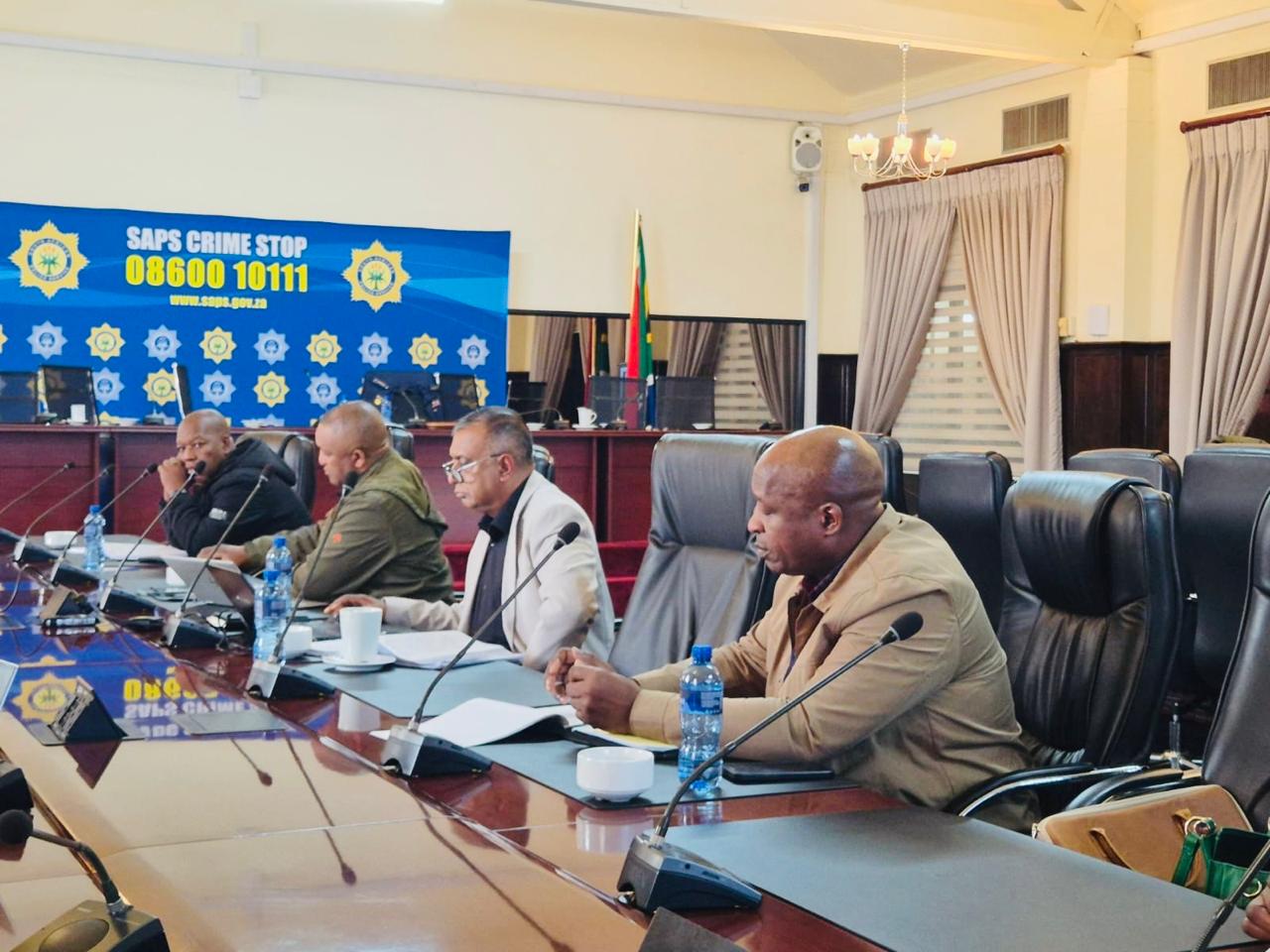
Police Action
Police have deployed for protests, sometimes using rubber bullets and teargas to manage crowds or clashes.
They have arrested some involved in violence and conducted immigration enforcement operations.
However, Human Rights Watch and others document cases of insufficient response to attacks on foreigners, with allegations of beatings, looting, and killings going unaddressed promptly.
In one incident, crowds clashed with officers over deportation logistics.
Authorities face stretched resources amid broader crime challenges.
(Source: hrw.org)
Origin Countries’ Governments
Neighbouring and affected nations have acted decisively by issuing travel advisories, organising repatriations, and engaging diplomatically. Nigeria, Ghana, Malawi, Zimbabwe, and Mozambique have flown or bused citizens home.
Nigeria’s government has coordinated multiple flights and registered returnees. Ghana has considered international legal action.
These moves reflect both genuine safety concerns and domestic political pressures. Some African Union bodies and the UN have expressed alarm, urging South Africa to uphold its responsibilities.
(Source: dirco.gov.za)
Human Rights Groups’ Stance
Organisations like Human Rights Watch (HRW), the South African Human Rights Commission, Kopanang Africa Against Xenophobia, and international bodies strongly condemn the violence and scapegoating.
They affirm the right to protest but stress it does not extend to intimidation, unlawful evictions, or vigilantism.
HRW has called for protection of migrants, accountability for perpetrators, and addressing root causes without discrimination.
Over 120 civil society groups have mobilized against xenophobia, warning that such campaigns undermine South Africa’s constitutional values and regional standing.
(Source: hrw.org)
As the deadline nears, South Africa stands at a crossroads. The government insists on the rule of law, while migrants live in “extreme fear.”
Whether 30 June passes quietly or sparks further unrest will test the country’s commitment to unity, legality, and its role as a regional powerhouse.
Socio-economic frustrations are real, but solutions must respect human rights and due process—not vigilante deadlines.
(Source: theguardian.com)
Disclaimer: This article was compiled using the AI tool Grok on X and may contain inaccuracies.
The post Migrants Flee South Africa As ‘Xenophobic Deadline’ Looms appeared first on The Bulrushes.