INFOGRAPHIC/EYEWITNESS MEDIA.
By PATRICK MAYOYO
The tragic events in Homa Bay, which left two people dead, including a police officer, and injured 54 others, have once again exposed the persistent challenge of goonism, criminal gangs and political violence in Kenya.
Beyond the immediate loss of life and destruction, the incident raises uncomfortable but necessary questions about the effectiveness of the country’s security leadership and the implementation of presidential directives aimed at restoring law and order.
If the Inspector-General of Police, Douglas Kanja, and the Director of Criminal Investigations, Mohamed Amin, had acted decisively and consistently on President William Ruto’s directive to crack down on goonism, criminal gangs and lawlessness, could this tragedy have been prevented?
While no security agency can guarantee the complete elimination of violence, Kenyans are entitled to ask whether enough was done to avert a situation that many viewed as predictable.
On 21 July, President Ruto publicly directed security agencies to deal firmly with criminal gangs, organised violence and lawlessness amid growing political tensions across the country.
The directive followed disturbing incidents of violence and intimidation, including those reported during the Ol Kalou by-election campaign. Crucially, the President emphasised that security agencies must act firmly but strictly within the confines of the law.
The directive was widely welcomed by many Kenyans who had grown increasingly concerned about the resurgence of organised gangs, politically sponsored violence and a culture of impunity.
Yet a presidential directive is only as effective as the institutions responsible for implementing it. More than three weeks later, many citizens are still searching for tangible evidence that the promised crackdown is underway.
The central question is whether the National Police Service and the Directorate of Criminal Investigations translated the President’s words into meaningful action. If they did, where are the results? Where are the investigations into the organisers, financiers and political sponsors of violence?
Where are the arrests of individuals accused of recruiting gangs to intimidate political opponents and disrupt public gatherings? Where are the intelligence-led operations designed to dismantle criminal networks before they unleash violence on innocent citizens?
The responsibility of the Inspector-General extends beyond responding to violence after it occurs. His constitutional and statutory mandate includes maintaining law and order, preventing crime and ensuring the safety and security of all persons in Kenya.
Equally, the Director of Criminal Investigations is mandated to investigate serious crimes, identify perpetrators and bring them before the courts. The effectiveness of both offices should therefore be measured not merely by public statements, but by their ability to prevent violence, disrupt criminal enterprises and hold offenders accountable.
The Homa Bay incident suggests that significant gaps may exist between policy pronouncements and operational outcomes. Criminal gangs do not emerge overnight. They require organisers, financiers, recruiters, transport, communication networks and, in some cases, political protection.
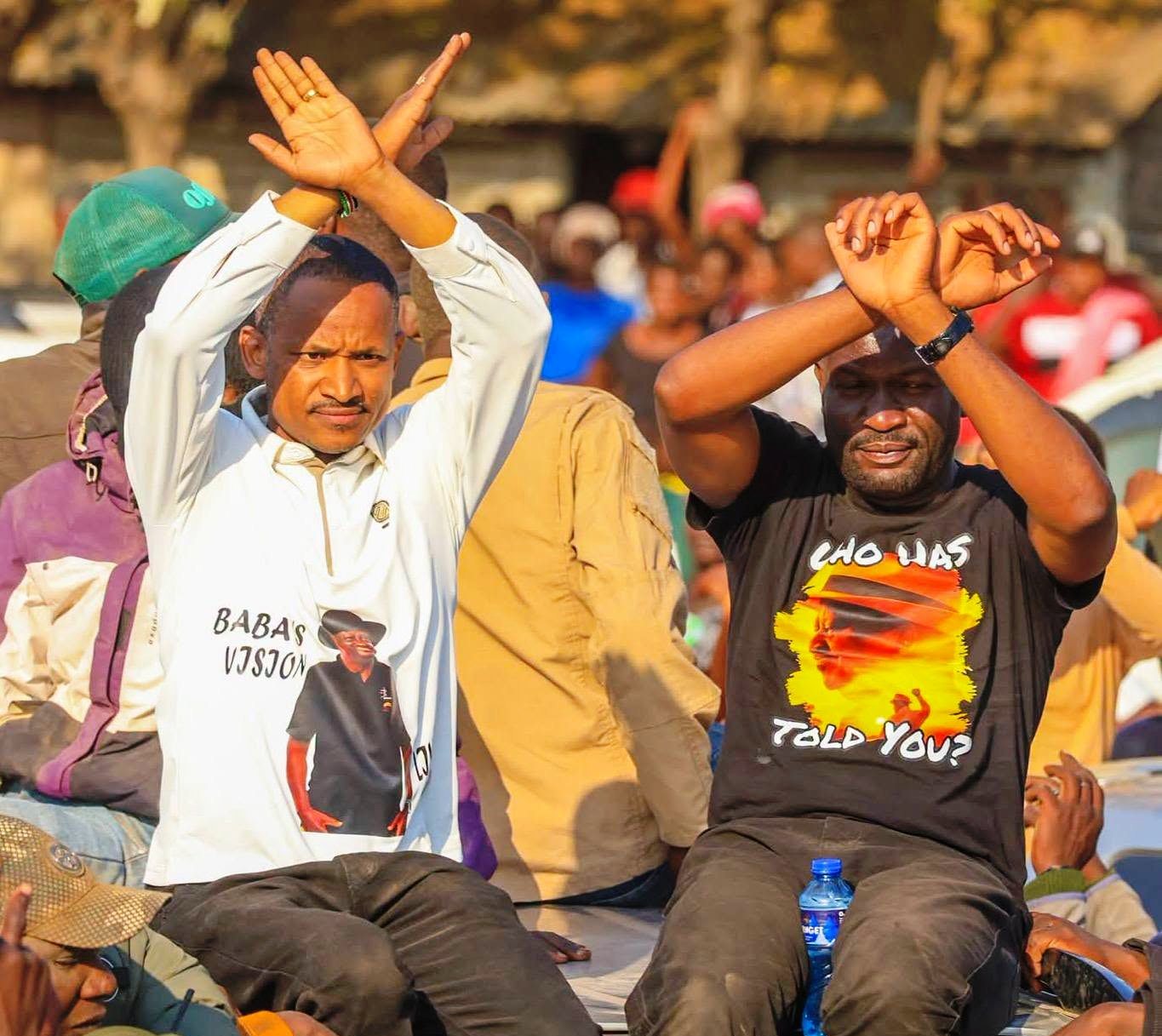
Embakasi East MP Babu Owino and Nairobi Senator Edwin Sifuna during the Linda Mwananchi rally in Homa Bay. PHOTO/UGC.
These are precisely the areas where intelligence gathering and criminal investigations should be focused. The failure to dismantle such networks before violence erupts inevitably raises questions about whether security agencies are being sufficiently proactive.
Critics may argue that the problem extends beyond the police and that political actors who sponsor or benefit from violence bear primary responsibility. That argument is valid.
However, it does not absolve security agencies of their duty to investigate and prosecute those involved, regardless of their political affiliations or influence. The law must apply equally to government supporters, opposition supporters, political insiders and political outsiders. Anything less undermines public confidence in the justice system.
What many Kenyans are demanding is not another series of press briefings or assurances that investigations are ongoing. They want visible evidence that the rule of law is being enforced without fear or favour.
They want to see investigators tracing financial flows, identifying recruiters, uncovering command structures and prosecuting those who orchestrate violence from behind the scenes. They want to know that those who fund and direct criminal gangs face the same consequences as those who carry out attacks on the ground.
The deaths and injuries in Homa Bay should therefore serve as a moment of reflection for the country’s security leadership. IG Kanja and DCI Director Amin must honestly assess whether their institutions have done enough to implement the President’s directive and protect citizens from organised violence. If gaps exist, they must be acknowledged and addressed urgently.
Ultimately, the issue is not about satisfying a presidential order. It is about fulfilling a constitutional obligation to protect lives, preserve public order and uphold the rule of law.
The Homa Bay tragedy is a stark reminder that when criminal gangs are allowed to operate unchecked, the consequences are borne by ordinary Kenyans and, in this case, even by members of the police service themselves. The country deserves answers, accountability and, above all, decisive action before another preventable tragedy occurs.
And the developments in Homa Bay can no longer be looked at in isolation. What happened in Homa Bay is a pattern that can be traced to what happened in this country in the 1990s.
These developments should make Kenyans very worried. What is going is like a horror movie playing out ahead of the 2027 General Election. Its title is Goonism. But this is not a new film. It is a revival of a political playbook Kenya has seen before; the playbook associated with Youth for KANU ’92, or YK’92, in the early 1990s.
The re-emergence of a political culture in which intimidation, organised disruption and violence are used to achieve what politicians cannot achieve through persuasion was a hallmark of the era of the late President Daniel arap Moi’s KANU regime.
That history matters because Kenya is approaching another highly competitive election. And the warning signs are already visible.
The Kofi Annan Foundation’s latest Electoral Vulnerability Index has placed Kenya among countries at elevated risk of electoral violence ahead of the 2027 polls. A recent assessment reported an 84.1 per cent probability of electoral violence during the 2027 election cycle.

INFOGRAPHIC/EYEWITNESS MEDIA.
That does not mean violence is inevitable. It means the warning lights are flashing, and leaders and institutions have a responsibility to act before violence becomes normalised.
President William Ruto’s Kenya Kwanza administration must therefore demonstrate that it will not tolerate political coercion, regardless of who benefits from it.
Goonism is not simply about young men shouting slogans, throwing stones or disrupting meetings. It becomes a national crisis when political power begins to rely on informal groups operating outside the law; when opponents can be intimidated from holding meetings; when public spaces become politically controlled territory; and when police appear unable or unwilling to identify the people who organise, finance and command those on the streets.
Kenya has been here before. And that is precisely why the current wave of political intimidation must not be dismissed as ordinary election-season theatrics.
On July 21, President Ruto directed security agencies to deal firmly with goonism, criminal gangs and lawlessness amid heightened political tensions, including violence and intimidation reported around the Ol Kalou by-election. He said security agencies must act within the law.
That directive was welcome. But a presidential directive is only as credible as the institutions implementing it. Kenyans are therefore entitled to ask: where is the crackdown?
Where are the investigations into the organisers, financiers and political sponsors of violence? Where are the arrests of those commissioning attacks? Where are detectives tracing the money, identifying recruiters and establishing who provides transport, weapons or protection?
Kenya does not need another press conference. It needs evidence that the law works. That means the IG Kanja, and DCI Director Amin must demonstrate that the President’s instruction applies to everyone; government supporters, opposition supporters, political insiders and political outsiders alike.
Otherwise, the crackdown directive becomes a comedy. And selective enforcement is not law enforcement. It is political management. Kenya has seen this movie before The most dangerous mistake Kenya could make is to pretend that political goonism is a new phenomenon. It is not.
Its modern history is deeply connected to the return of multi-party politics in the early 1990s, when the one-party KANU order came under pressure and political competition reopened. Kenya did not automatically become a mature democracy.
Instead, old structures of political control collided with new democratic freedoms. Political elites accustomed to dominance suddenly faced organised opposition, and violence became one of the tools used to manage that competition.
This is the context in which Youth for KANU ’92 popularly known as YK’92, emerged. The group was formed in 1992 to campaign for President Moi’s re-election. President Ruto was among its leaders and served as its treasurer.
President Ruto’s involvement in YK’92 is therefore not a matter of speculation or political propaganda. It is part of the historical record.
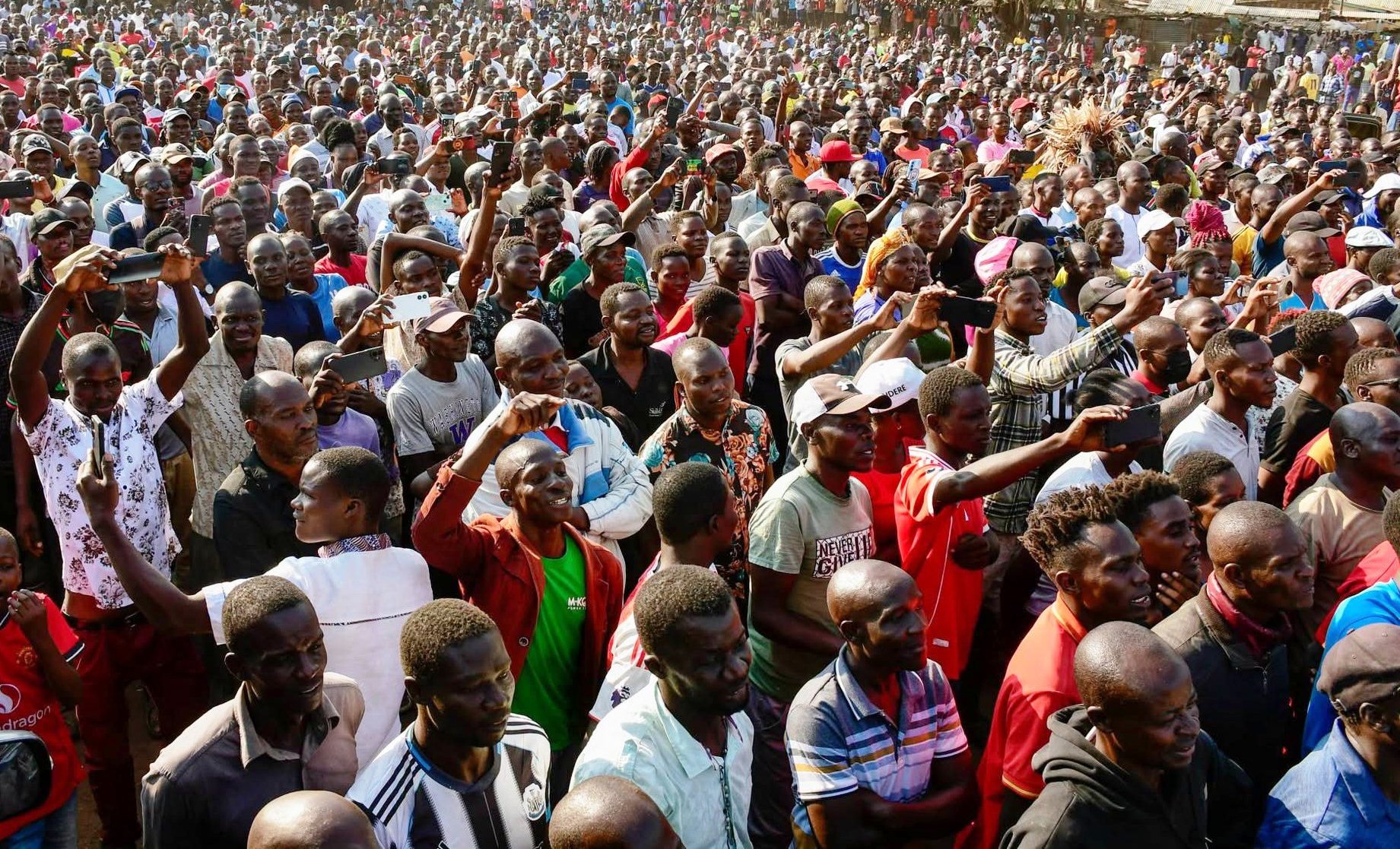
A crowd at the Linda Mwananchi rally in Homa Bay. PHOTO/UGC.
He also later became one of the two top Kenyan politicians alongside retired President Uhuru Kenyatta whose cases at the International Criminal Court (ICC) arose from alleged crimes against humanity committed during the 2007/08 post-election violence.
The ICC confirmed charges against Ruto in 2012; the case was subsequently terminated in 2016 due to insufficient evidence, declaring a mistrial without a formal acquittal.
That history does not mean Ruto is responsible for every act of political violence committed in Kenya today. Nor does it prove that the current administration has ordered attacks against opponents.
But it does mean that the President understands, from personal political experience, how youth mobilisation can become a formidable electoral machine.
He therefore understands the danger. And that makes his July directive all the more significant. The question is whether his government will now confront goonism wherever the evidence leads, including when the trail leads towards politically powerful people.
Because Kenya’s experience in the 1990s and the 2007/08 post-election violence demonstrated one fundamental truth: Political violence is rarely spontaneous.
Behind the youth on the street there is often a recruiter. Behind the recruiter there may be a financier. Behind the financier may be a political patron. And behind the entire operation there can be an electoral calculation.
Consequently, violence becomes an electoral weapon. The most sinister characteristic of political violence is that its purpose is not always to win an argument. Sometimes its purpose is to prevent the argument from taking place.
If an opposition leader cannot safely hold a rally, democracy has already been weakened. If supporters fear attending meetings, their political participation has been restricted.
If a community is intimidated into staying away from a candidate, the election has already been compromised. If a hotel can be attacked because politicians are staying there, political organisation itself becomes dangerous.
That was one of the central lessons of the violence surrounding Kenya’s first multi-party elections.
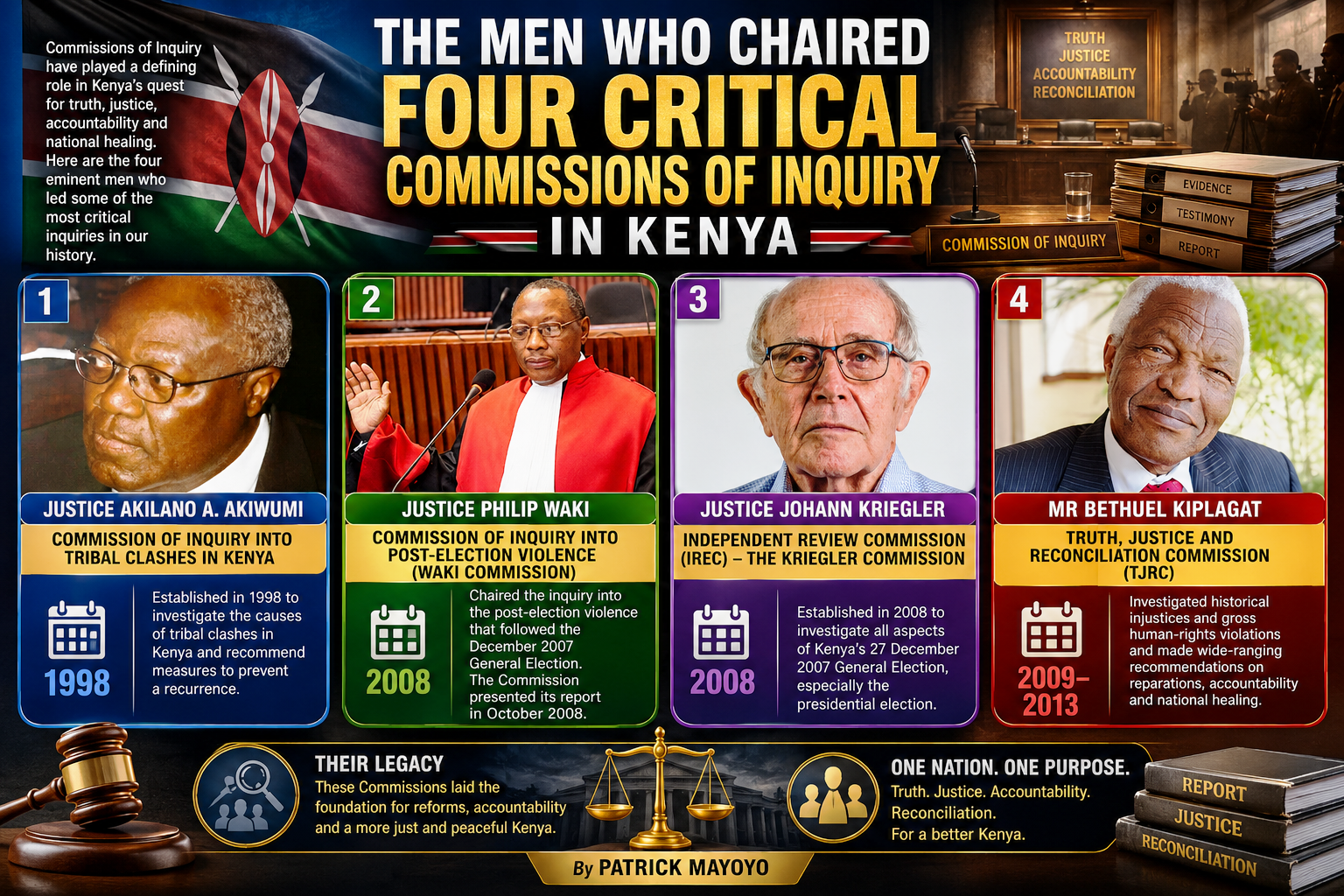
The Akiwumi Commission, established in 1998 to investigate clashes that had occurred since 1991, examined the political, ethnic and land-related dimensions of the violence. Its findings linked the clashes to political mobilisation and identified the role of politicians in fanning violence. Kenya Law records the commission’s conclusion that the clashes were politically motivated and fuelled by ethnicity and land grievances.
That finding remains relevant today. Because when every political confrontation is described simply as “tribal”, the politicians who manipulate ethnic identity disappear behind the communities they claim to represent.
INFOGRAPHIC/EYEWITNESS MEDIA.
The young man carrying the weapon is visible. The person who recruited him is not. The crowd sees the stone-thrower. The financier remains hidden. The television camera records the violence. It rarely records the conversation that preceded it.
That is why Kenya must focus not only on the people committing violence but also on the networks behind them. The danger today is not that YK’92 itself has literally returned. The danger is that the logic associated with that era could return.
That logic is straightforward. When persuasion becomes difficult, use intimidation. When intimidation fails, use disruption. When disruption fails, use violence. When violence occurs, blame “rowdy youths”. When the youths are arrested, leave the sponsors untouched. Then move on.
Kenya cannot afford to repeat that cycle. The 1992 and 1997 elections demonstrated how organised violence could be used to influence political competition, intimidate opponents and create fear in areas where campaigning should have been taking place.
The names and organisations have changed over the years. Groups such as Mungiki, Kalenjin Warriors, Jeshi la Mzee, the Sabaot Land Defence Force, Baghdad Boys, the Mombasa Republican Council, Angola Musumbiji, Kaya Bombo and various local militias emerged in different circumstances and counties.
Some were rooted in genuine grievances; others became instruments of political mobilisation and criminal enterprise. The important lesson is not that every youth group is a militia. It is that political violence has repeatedly proved capable of evolving.
A group created for political purposes can become a criminal enterprise. A gang can acquire political protection. A political network can develop a street militia. And once such groups become powerful, their political sponsors may discover that they are no longer fully controllable.
That is the trap Kenya must avoid. Homa Bay is a warning What happened in Homa Bay on Sunday should therefore be treated with the seriousness it deserves.
The county has become one of the political theatres in which competing factions are testing their strength ahead of 2027. Linda Mwananchi, led by leaders including Nairobi Senator Edwin Sifuna and Siaya Governor James Orengo, has been conducting grassroots mobilisation, while rival ODM faction Linda Ground led by Dr Oburu Oginga have also been asserting their influence.
Before planned Linda Mwananchi rallies in Homabay, local politicians including Homa Bay Town MP Peter Kaluma also issued warnings concerning politicians and supporters visiting the county.
Those statements, by themselves, do not establish responsibility for any subsequent violence. But they create questions that investigators should answer.
Reports surrounding the latest Homa Bay confrontation, including allegations of an attack on Homa Bay Tourist Hotel, where Linda Mwananchi leaders and supporters had booked accommodation. These incidents must therefore be investigated rather than converted immediately into political propaganda.
If reports that youths wearing ODM colours attacked the premises, smashed windows and damaged property are substantiated, this was not political heckling. It was an organised criminal attack.
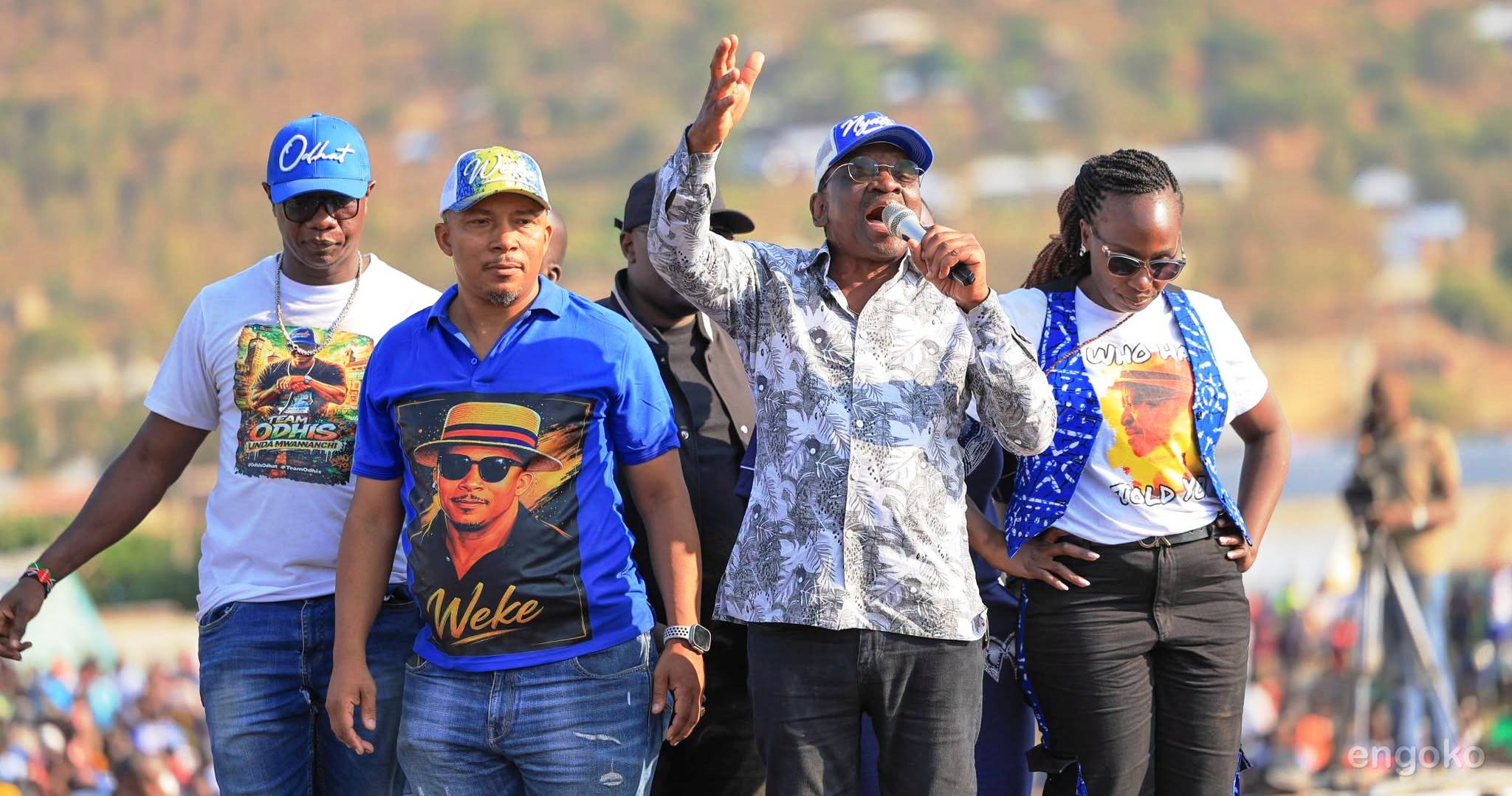
Siaya Governor James Orengo has vowed to ensure police accountability. PHOTO/UGC.
But the investigation should go beyond identifying the young men who physically entered the premises. Who knew the politicians were staying there? Who knew the hotel had been booked?
Who organised the attackers? Who transported them? Who paid them? Who supplied the motorcycles? Who instructed them to leave? And who, if anyone, provided political protection?
These are basic investigative questions. If the evidence clears political leaders, let them be cleared. If the evidence implicates them, the law must follow the evidence. That is what impartial policing means.
And this is where the current debate becomes particularly important. Kenya has already witnessed political violence surrounding church meetings, rallies and other civic gatherings.
In July, violence at St Stephen’s ACK Cathedral in Kisumu during a political event left one person dead and several others injured, according to reports. The incident demonstrated how quickly political rivalry can spill into spaces that ought to be protected from violence.
The lesson from Kisumu and Homa Bay should be the same: investigate first, accuse carefully, and prosecute where the evidence supports prosecution.
The opposition must act too. The opposition’s lament about goons must also end. It must act now, not tomorrow. The opposition cannot simply complain indefinitely that security agencies are failing to protect its meetings.
It must use every lawful mechanism available. If politicians have evidence of organised violence, they should preserve it, report it to the police and pursue it. If police fail to investigate, those failures should be documented and, where legally possible, challenged through the courts.
If there is evidence against security officials or political leaders, legal accountability should be pursued.
Governor James Orengo has spoken about taking a more proactive approach, including pursuing private prosecutions where legally possible. That approach should be taken seriously, but it must remain evidence-based and constitutional.
The opposition must also resist the temptation to respond to violence with violence. Kenya has already seen where retaliation leads. One group attacks. Another retaliates. A third group joins. Politicians exploit the anger. Ethnic narratives emerge. The police intervene selectively. And suddenly a local political quarrel becomes a national crisis.
The opposition should distinguish itself by insisting that political competition must be settled through law, persuasion and the ballot, not through rival gangs.
This is where the President’s directive faces its greatest test. If the police are serious about ending goonism, they must investigate everyone. If a government supporter organises violence, investigate him. If an opposition supporter does the same, investigate him.
If a businessman finances a gang, investigate him. If a politician finances it, investigate him. If a police officer facilitates it, investigate him. If a powerful official attempts to suppress a lawful political gathering, investigate him.
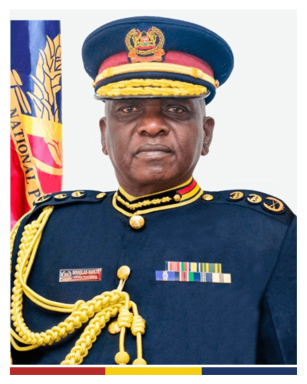
IG Douglas Kanja. The man on the spot. PHOTO/UGC.
The law cannot be a weapon against inconvenient politicians. It must be a shield for every Kenyan. That principle is especially important because selective policing creates an even more dangerous perception: that some goons are “good” because they serve the interests of those in power, while others are “criminals” because they oppose them.
There is no such distinction in law. A criminal is a criminal regardless of the political colour of his shirt. The institutions already know the answer What makes the current situation particularly frustrating is that Kenya already knows what causes political violence.
The Akiwumi Commission examined the political, ethnic and land-related dimensions of the clashes that began in the early 1990s.
The Independent review Commission, commonly known as the Kriegler Commission, was established after the disputed 2007 election to examine the electoral process. Its report found deep weaknesses in Kenya’s electoral administration, including problems affecting voter registration, polling, tallying, dispute resolution and institutional independence.
It warned that defective elections accompanied by public violence could remain a feature of Kenyan life without sustained commitment to electoral integrity.
After the disputed 2007 General Election, Kenya experienced serious post-election violence in which many people lost their lives, were injured or displaced from their homes.
To investigate what had happened, the government established the Commission of Inquiry into the Post-Election Violence, commonly known as the Waki Commission, chaired by Justice Philip Waki. The Commission presented its report in October 2008.
One of its main recommendations was the establishment of a Special Tribunal for Kenya to investigate and prosecute people who bore the greatest responsibility for the violence, particularly crimes against humanity.
The proposed tribunal was to have both Kenyan and international judges and independent investigators and prosecutors. The tribunal was never established and instead a few cases were taken to the International Criminal Court (ICC).
The Truth, Justice and Reconciliation Commission (TJRC) went further, examining historical injustices, human-rights violations, marginalisation and institutional failures.
The recommendations are there. The reports exist. The lessons are documented. What has been missing is implementation. That is Kenya’s greatest problem.
We investigate violence after it happens. We appoint commissions. We write reports. We make recommendations. Then we fail to impose consequences.
Years later, the same political culture returns under different names. That is not institutional learning. It is institutional amnesia. At the heart of goonism is impunity.
A young man who knows he will certainly be arrested for attacking a political meeting may hesitate. But if he believes he will be protected by a powerful politician, he becomes bolder.
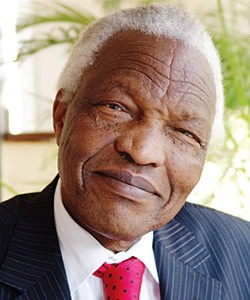
Mr Bethuel Kiplagat chaired the Truth, Justice and Reconciliation Commission (TJRC) that made a wide range of recommendations aimed at addressing historical injustices.
A politician who believes that only the foot soldiers will be arrested has little reason to abandon the strategy. That is why Kenya must stop treating goonism as a problem caused exclusively by unemployed youths.
Unemployment may provide the recruits. But political patronage provides the opportunity. The state must therefore investigate the entire chain. The recruiter matters. The financier matters. The transporter matters. The organiser matters. The political patron matters. The police officer who deliberately looks away matters. The prosecutor who allows a politically connected case to collapse matters.
Until the entire chain is exposed, the country will continue arresting symptoms while protecting the disease.
The 2027 election is already taking shape. Political alliances are being constructed. Opposition movements are reorganising. The governing coalition is positioning itself. Politicians are visiting constituencies. Grassroots networks are being built.
This means the political environment is already being contested. Violence does not need to wait until Election Day. Indeed, one of the greatest dangers is that it becomes normalised long before voters reach polling stations.
A candidate whose meetings are repeatedly disrupted may eventually stop travelling. Supporters may stop attending. Churches may stop offering venues. Businesspeople may refuse to host political events. Journalists may avoid certain assignments. Ordinary voters may simply decide that politics is too dangerous.
And when enough people withdraw, the political contest becomes less democratic even if the ballot boxes remain open. That is why election security begins long before polling day.
The consequences also extend beyond elections. Political violence damages businesses. It disrupts transport. It destroys property. It scares away investors. It increases uncertainty. It damages Kenya’s international reputation.
The country wants to present itself as an economic hub, a regional diplomatic centre and a stable constitutional democracy. But investors do not separate political instability from economic risk. Neither do tourists. Neither do diplomats. Neither do ordinary Kenyans deciding whether to invest their savings in a business.
A country cannot credibly promise a first-world economy while tolerating third-world political intimidation. Political stability is economic infrastructure. Rule of law is economic infrastructure. Trust in institutions is economic infrastructure. And political goonism destroys all three.
Who benefits from the chaos? This is ultimately the question Kenya must ask. When opposition rallies are repeatedly disrupted, who benefits? When rival factions are prevented from campaigning, who benefits?
When young men are mobilised to create fear, who benefits? When citizens become afraid to attend meetings, who benefits? When the police fail to identify the organisers, who benefits?
The answer should not be determined by political loyalty. It should be established through investigation. That is why the DCI must follow the money.
The state must identify organisers rather than simply arresting street-level participants. It must protect witnesses. It must preserve CCTV evidence. It must investigate communications and financial transactions where legally authorised.
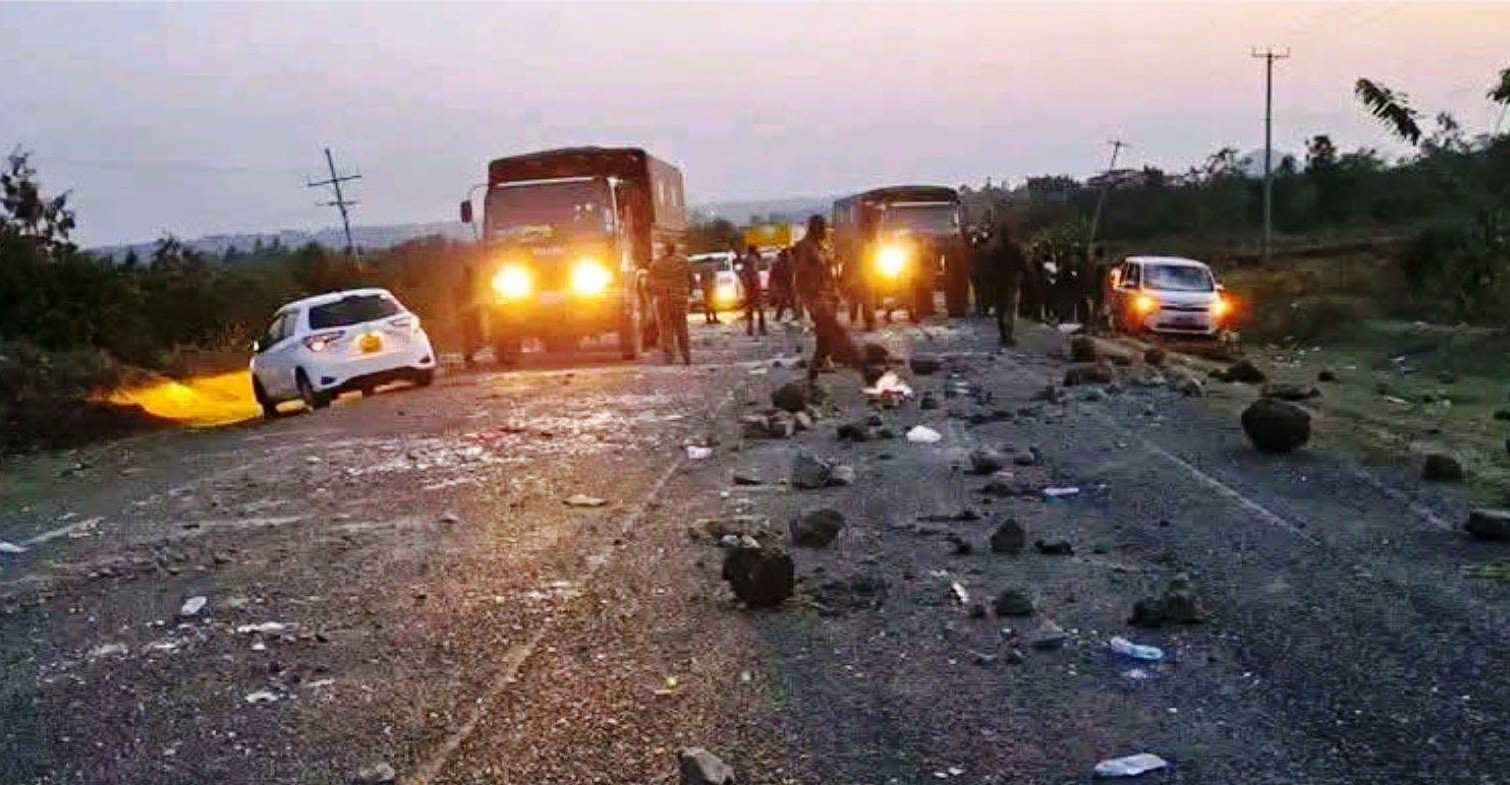
Roads barricaded by goons in an attempt to stop Linda Mwananchi rally in Homa Bay. PHOTO/UGC.
And it must publish enough information to demonstrate that investigations are real and impartial. A serious crackdown does not end with the arrest of a few young men. It ends when the network that recruited them has been dismantled.
President Ruto’s order to crack down on goons was therefore necessary. But it is not enough. The President now has an opportunity to demonstrate that his words were not political theatre.
He can insist that security agencies investigate political violence without regard to party affiliation. He can make it clear that his allies are not above the law. He can demand accountability wherever evidence leads.
And Ruto can use the remaining period before 2027 to establish a simple principle: No political leader in Kenya is entitled to a private army. But that principle must apply to everybody. The President’s supporters. His opponents. Party factions. Governors. MPs. Businesspeople. Local political brokers.
Nobody should be allowed to build a political career around organised intimidation. The choice before Kenya is now painfully clear. One path leads back towards the politics of fear.
It begins with heckling. Then threats. Then disruption. Then targeted attacks. Then political protection. Then impunity. Then retaliation. Then ethnic mobilisation. And eventually, election violence.
Kenya has walked that road before. It knows where it ends. The alternative is harder, but entirely possible. Investigate early. Prosecute fairly. Protect political meetings. Protect churches. Protect journalists. Protect witnesses. Follow the money. Punish sponsors. Reform policing. Strengthen electoral institutions.
And implement the lessons of the commissions that Kenya has spent billions of shillings and decades establishing. Above all, political leaders must accept a fundamental democratic truth: Violence is not a political strategy; it is a failure of politics.
Kenya does not need another YK’92. It does not need another generation of unemployed young people recruited as political weapons. It does not need another election in which fear does the campaigning and violence does the persuading.
The ghosts of the 1990s do not return by themselves. They are invited back whenever political leaders decide that coercion is cheaper than consent; whenever institutions look away; and whenever citizens tolerate violence because it is being inflicted on their political enemies.
That invitation must be withdrawn. Now. The question Kenya should therefore be asking is not merely: Who are the goons? It should be asking: Who recruits them? Who pays them? Who protects them? Who gives them instructions?
And, most importantly: Who will have the courage to prosecute the people at the top of the chain? That is where the real fight against goonism begins. Kenya’s democracy will not be protected by speeches alone.
It will be protected when the law becomes stronger than political patronage, when institutions become stronger than individuals, and when every political actor understands that the price of using violence is greater than the political advantage it is supposed to deliver.
The road to 2027 is already being built. Kenya must ensure it is not paved with fear.