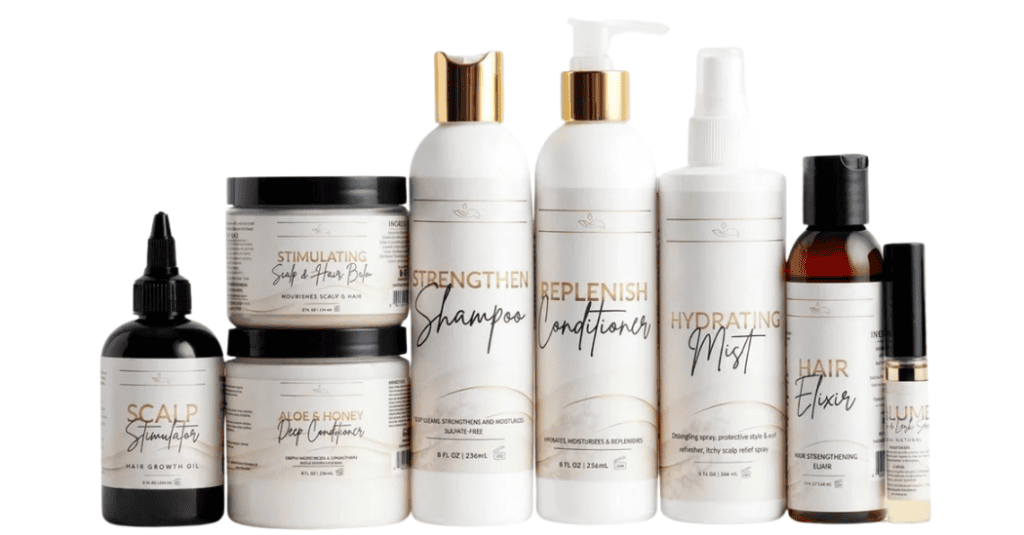
Bask & Lather has grown into a nine-figure beauty business while remaining self-funded, debt-free, and founder-owned.
Founded in December 2020 by nurse practitioner Shaina Rainford, the company has expanded through direct-to-consumer commerce, online marketplaces, social commerce, and a measured distribution strategy centered on operational readiness and long-term ownership.
Industry estimates place Bask & Lather’s annual revenue between $100 million and $125 million, making it one of the largest bootstrapped beauty brands launched in the past five years.
In 2025, Inc. ranked the company No. 1008 on the Inc. 5000 list of America’s fastest-growing private companies and No. 20 among retail and consumer products companies.
Its growth offers a case study in how manufacturing, distribution, customer acquisition, and capital allocation can support a rapidly expanding consumer brand.
Turning a Family Formula Into a Business
The company’s story began years before Bask & Lather officially launched.
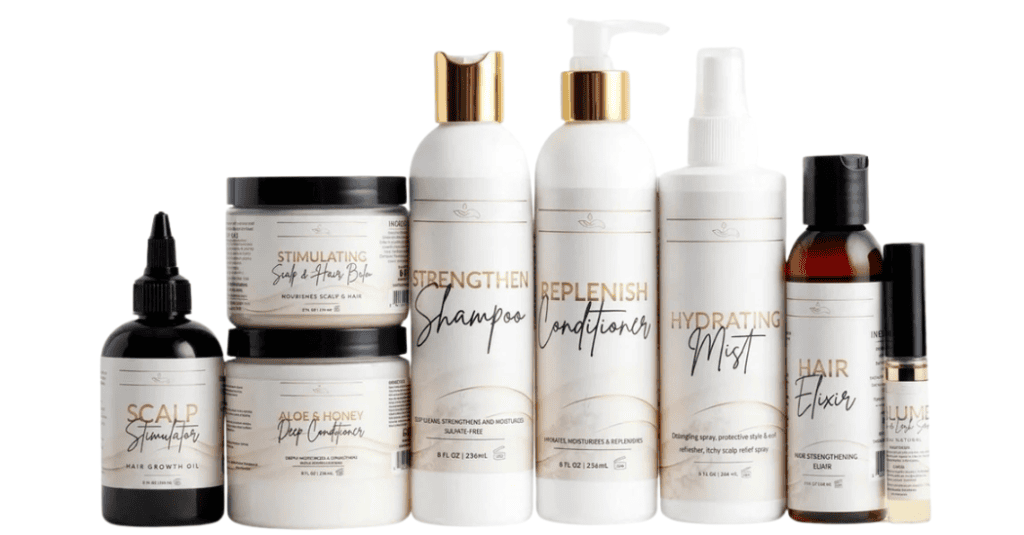
After Rainford’s younger sister experienced significant hair loss following a scalp infection, their mother researched natural ingredients associated with hair growth and created an oil blend that helped restore her hair.
Years later, Rainford experienced severe hair shedding after recovering from COVID-19 and began using the same formulation herself. She documented her progress on social media, prompting friends and followers to ask where they could purchase the products.
The company launched soon afterward.
Within three months, Bask & Lather was generating six figures in monthly revenue through organic social media, customer referrals, and repeat purchases. That early momentum established the foundation for the company’s continued expansion.
Financing Growth Through Operations
Bask & Lather has financed its growth by reinvesting operating cash flow.
The company has remained debt-free while expanding manufacturing capacity, growing its team, and increasing production. Rainford has consistently described profitability, cash flow, and operational readiness as priorities throughout the company’s development.
During an interview with Angela Yee, Rainford discussed the financial dynamics of large retail partnerships, including payment cycles, merchandising costs, inventory commitments, and the manufacturing capacity required to support national distribution. She explained that those factors influenced the company’s decision to strengthen its supply chain before pursuing broader retail expansion.
Those decisions have allowed Bask & Lather to maintain founder ownership while continuing to invest in long-term growth.
Building a Multi-Channel Commerce Business
Bask & Lather has built a diversified commerce strategy anchored by direct customer relationships.
Direct-to-consumer sales remain the company’s primary channel, supported by Amazon, TikTok Shop, Walmart Marketplace, and selective wholesale distribution.
The company has also expanded through independent beauty supply stores, including Black-owned retailers that often face higher distributor minimums and less favorable purchasing terms from traditional distributors. Selling directly to those businesses has broadened Bask & Lather’s retail footprint while providing retailers with greater access to inventory outside conventional wholesale channels.
Bask & Lather is also the number one Black-owned hair growth oil brand on Amazon and holds leading positions across multiple product categories on TikTok Shop.
Social Commerce and Customer Acquisition
Social commerce has become a central component of Bask & Lather’s growth strategy.
Customer testimonials, creator partnerships, product demonstrations, and live shopping have introduced the brand to millions of consumers across TikTok Shop. As demand increased, the company expanded its digital commerce capabilities while strengthening its presence across multiple sales channels.
That channel strategy has supported continued customer acquisition while reinforcing direct relationships with consumers.
A Case Study in Modern Consumer Growth
Bask & Lather’s growth reflects coordinated investments across product development, manufacturing, supply chain management, distribution, customer acquisition, and capital allocation.
The company expanded production capacity, strengthened its operational infrastructure, broadened distribution, and financed growth internally while preserving founder ownership.
For founders building consumer brands, Bask & Lather illustrates how disciplined execution across every stage of the commerce ecosystem can support sustained growth while maintaining long-term ownership.
The post How Bask & Lather Became a Nine-Figure Beauty Brand Without Outside Capital appeared first on SHOPPE BLACK.
